
A review of al-ʿĀmilī’s 53-volume critical biography of Imam ʿAlī, reconstructing his life from Sunni and Shiʿi sources.
A review of al-ʿĀmilī’s 53-volume critical biography of Imam ʿAlī, reconstructing his life from Sunni and Shiʿi sources.

This scholarly work investigates how Imām Bāqir (a) shaped the distinct doctrinal identity of the Imāmī Shīʿa through deliberate theological and practical strategies during the early 2nd century AH.

This work analyzes the intellectual and socio-political movements during the Imams’ eras to safeguard authentic religion from secular and deviant ideologies.

This seminal work reinterprets the lives of the twelve Imams as a single, continuous 250-year struggle to establish divine governance. It shifts the focus from purely spiritual narratives to the intense political efforts of the Infallibles to combat corruption and social injustice. Through historical analysis, the book illustrates how each Imam adapted their strategies—from silence to uprising—to preserve the core mission of Islam.
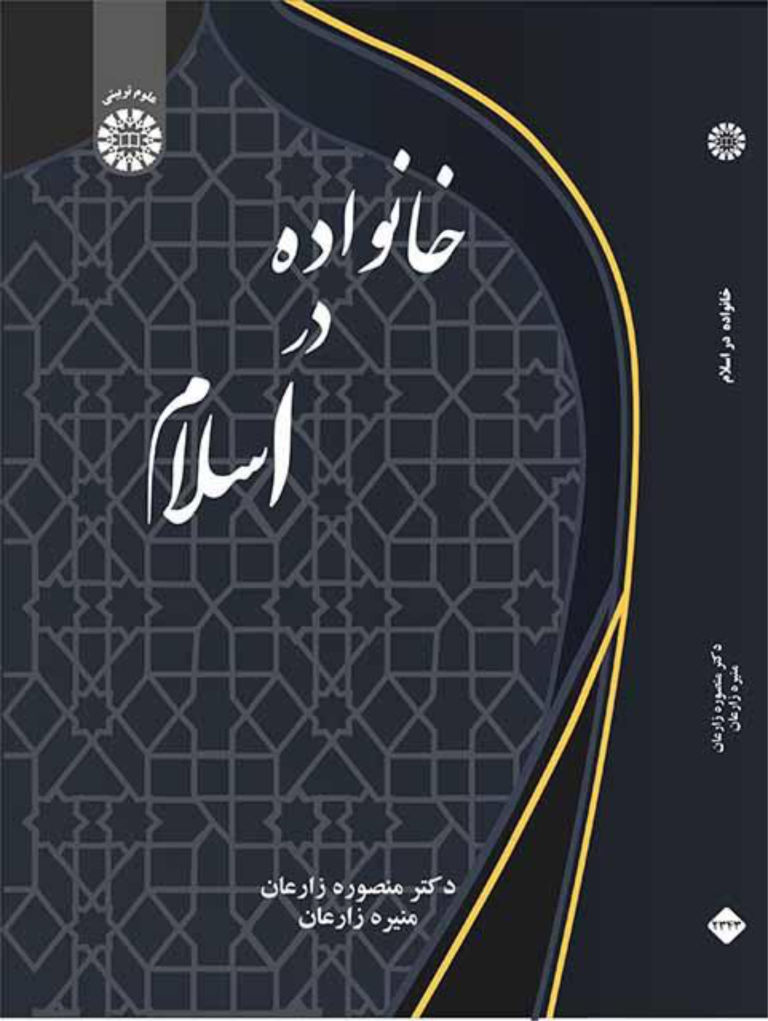
Family in Islam by Mansoureh and Monireh Zarean examines the family as a universal social institution. Drawing from the Quran and Hadith, the book covers everything from ontological foundations to the management of family stresses.
“Tārīkh-i Ḥadīth-i Baḥrayn” provides a comprehensive historical analysis of Bahrain’s role as a major center for Shīʿī hadith transmission. Dr. Suliymānī Āshtiyānī reconstructs the region’s scholarly lineage from early Islam through the era of the Imams’ physical presence. The work examines the methodologies of local narrators and their intellectual exchanges with other prominent Islamic hubs. This research successfully establishes Bahrain as a central pillar in the preservation of Shīʿī religious heritage.

This condensed encyclopedia explores the authority, transmission, and verification of Hadith, providing a systematic framework for understanding and critiquing Prophetic traditions within Shīʿī scholarship.
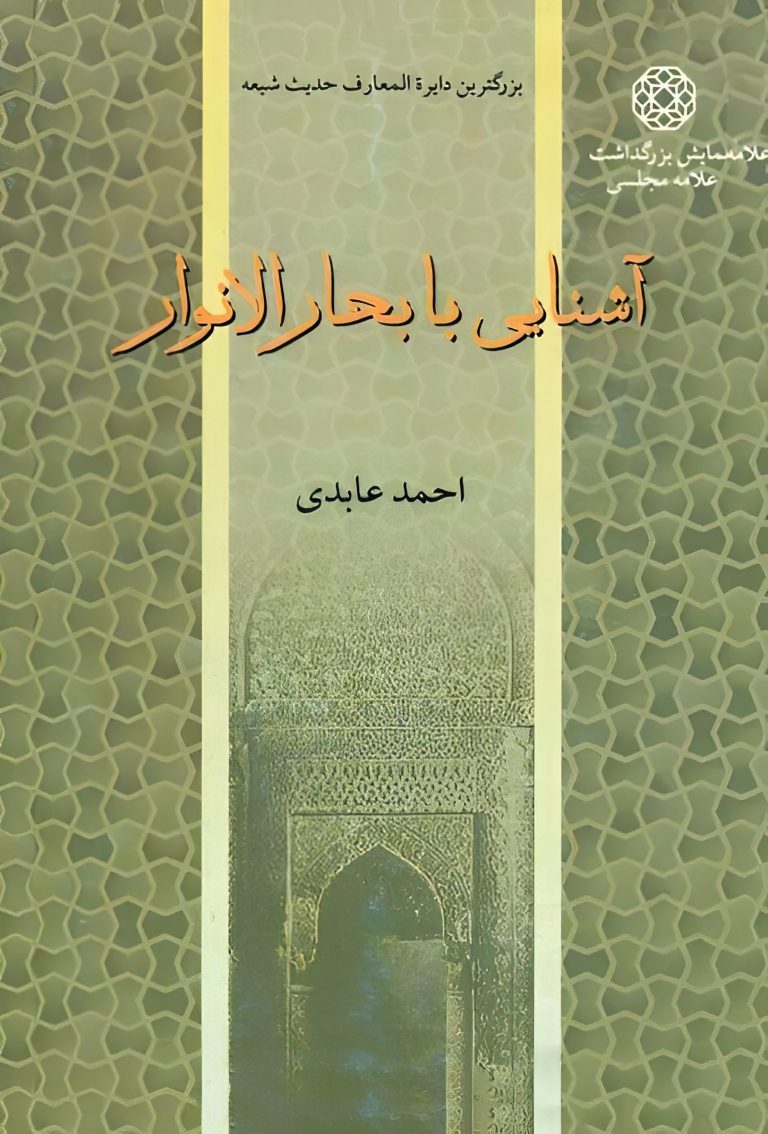
Ahmad Abedi’s work provides a dual perspective on the legacy of Allama Majlisi. It details his life as a pioneer of Persian religious prose and offers a methodical breakdown of the “Bihar al-anwar,” examining its 460+ sources, its authenticity, and its structure as a “mega-library” of Shii thought.
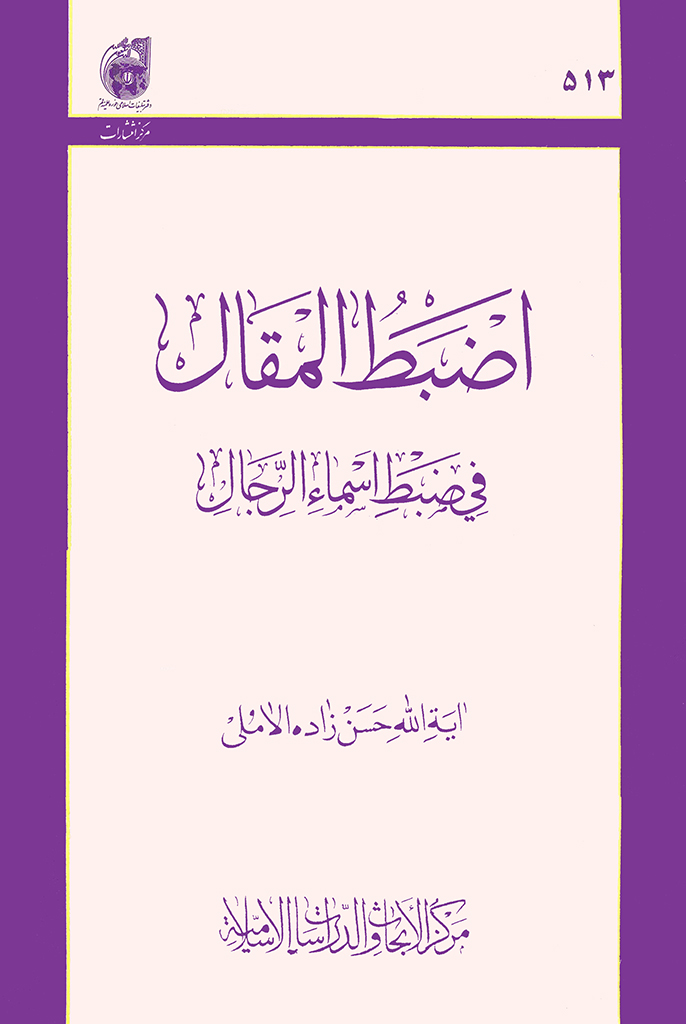
Originally developed to enhance the vocalization of al-Kafi, Ayatollah Hasanzadeh Amoli’s dictionary provides a scholarly solution to the challenges of reading unvocalized Arabic names. This alphabetical guide clarifies pronunciations for researchers of Hadith and history.

Analytical History of Islam provides a methodical approach to historical scholarship, contrasting narrative and scholarly history. It analyzes the Prophet’s era, the Saqīfah conspiracy, Imam ʻAlī’s governance, and the role of the four delegates during the Minor Occultation.
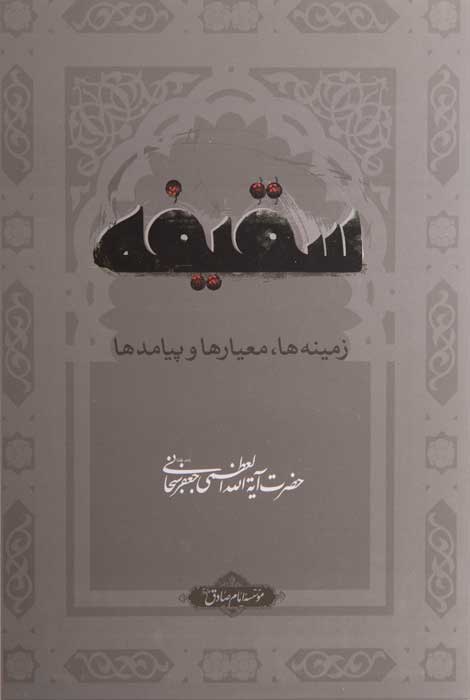
In “Saqīfah,” Ayatollah Jaʻfar Sobhani investigates the backgrounds and consequences of the assembly that altered Islamic history. By contrasting the event of Ghadir Khumm with the logic of selection at Saqīfah, the work provides a scholarly defense of Divine Imamate and documents the tragic aftermaths involving the household of the Prophet.

Nādirih-yi Dowrān is a festschrift dedicated to the scholarly contributions of Ayatollah Sheikh Muḥammad Riḍā Jaʻfarī. This volume includes a 60-page autograph diagram of Arab dynasties, interviews with his students, and insightful essays on Islamic and Quranic topics.
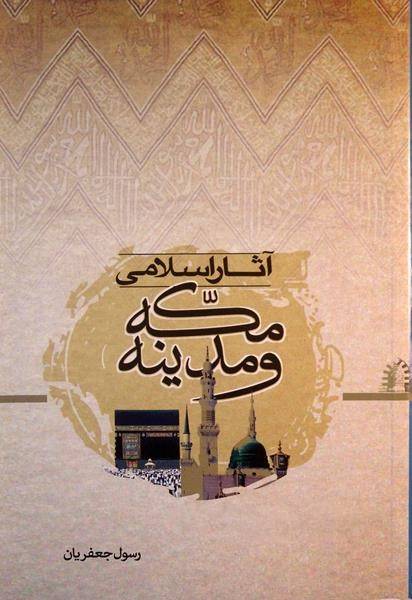
Rasul Jafarian’s Āthār-i Islāmī-yi Makkih va Madīnih serves as an essential guide for pilgrims, offering historical insights into the Prophet’s birthplace, the tombs of the Infallible Imams, and the battlefields of early Islam.

A comprehensive review of Sayyid Jaʿfar Murtaḍā al-ʿĀmilī’s 24-volume study of Imam al-Ḥusayn’s life in hadith and history.

Maqtal-i Piyvastih provides a historically authenticated narrative of the Karbala event. Synthesized from pre-9th-century sources, this work by Ayatollah Riyshahri offers a chronological, story-like format of Imam Hussain’s journey, martyrdom, and the aftermath, complete with detailed maps.
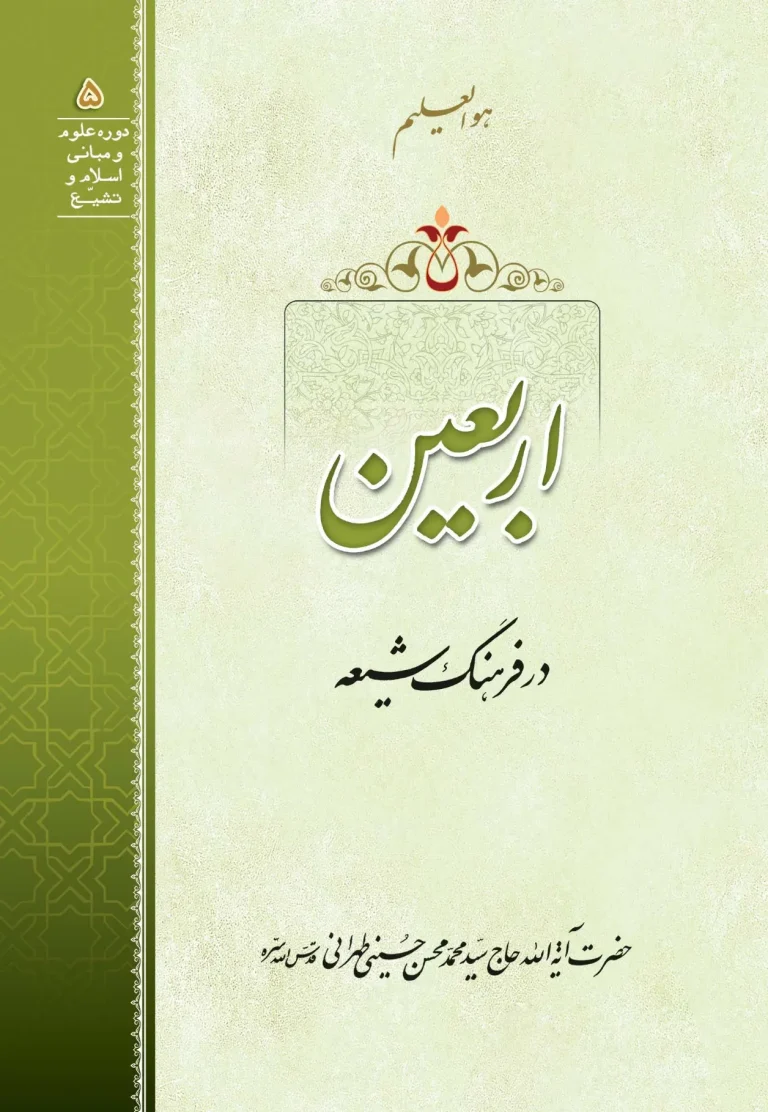
This work offers a novel perspective on Arba‘īn as a distinctive Shia “Shi’ar.” The author explores the significance of the number forty in Islam while arguing that the forty-day mourning ritual is exclusively reserved for Imam Hussein, critiquing its extension to the general deceased.

This treatise by the al-Abbas Holy Shrine examines the Umayyad suppression and anti-Islamic propaganda that necessitated Imam al-Husayn’s movement. It highlights his responsibility as a leader to revive the Prophet’s Sunnah and defend the Quran.

The Dānishnāmih-yi Aḥādīth-i Pizishkī is a monumental two-volume encyclopedia that systematically organizes narrations from the Prophet and Ahl al-Bayt concerning health and healing. Led by Āyatullāh Riyshahrī, the work bridges traditional wisdom with modern scientific inquiry by categorizing hadiths according to human anatomy and preventive practices. It applies rigorous scholarly analysis to authenticate medical traditions while providing a rich resource for both religious scholars and healthcare researchers. Ultimately, this encyclopedia serves as a foundational text for the academic revival of Islamic medical heritage.
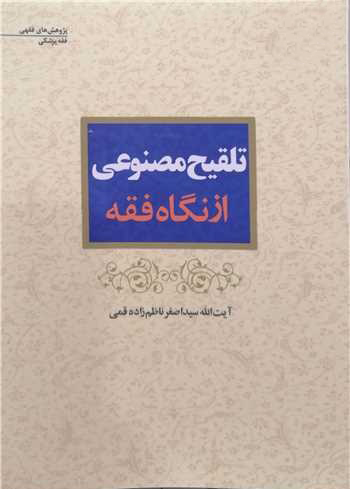
This book provides a jurisprudential analysis of artificial insemination, examining its permissibility, legal lineage, and ethical issues in modern medicine.
Behzad Ghazavi Khorasgani examines the environment through Islamic jurisprudence and Iranian legislation. The work highlights Quranic ecology, the “no harm” principle, and Article 50 of the Constitution, framing nature’s protection as a religious and public duty.

Book review: Banks, Shares, and Bonds in Financial Markets by Ayatollah al-Fayyad examines modern finance from Shi’i jurisprudence.
This book provides a structured framework for Islamic banking that integrates ethical jurisprudence with modern financial needs. The author proposes innovative models like the “Tafkīk” system to effectively eliminate interest and promote social justice. It serves as a practical guide for reforming banking structures in both Muslim and global contexts.

This book examines the Infallibles’ economic lifestyle through the Four Books, focusing on work ethics, trade etiquette, and the just management of public funds.
Book review: An Introduction to Islamic Social Work explores Maqasid al-Shariah-based theory, trends, and specializations in Islamic social work.
Farhang-nāmih-yi Taqwā excavates the essence of God-consciousness from the Quran and Hadith. Co-authored by Ayatollah Riyshahri, this volume offers a practical and scholarly roadmap to one of Islam’s most exalted virtues, identifying its foundations, effects, and historical exemplars.

This work examines Islamic moral philosophy with a focus on Allamah Tabatabai’s perspectives. It defines ethical science, classifies ethical schools, and delves into the theory of conventionalism (iʿtibārīyāt) to explain how moral education guides humanity toward perfection.

Based on ethical teachings by Ayatollah Mazaheri, this book examines the mutual rights of humans, nature, and animals. Using 580 scriptural sources, it defines a hierarchy of justice and service, emphasizing that honoring human rights is the greatest form of Islamic worship.

This book introduces a psychological model of “ʾamal” (aspiration) by synthesizing Islamic sources with academic clinical insights. It categorizes wishes into constructive or destructive states based on their alignment with reason or ignorance. Finally, the author offers practical cognitive and spiritual strategies to manage these desires for better psychological health.
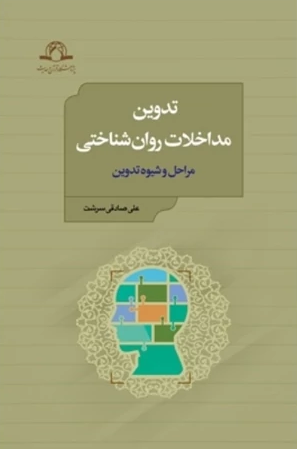
This manual provides a systematic framework for developing Islamic-based psychological interventions, offering a clear four-stage methodology to transform religious constructs into actionable clinical protocols.

This book analyzes Prophet Muhammad’s political conduct, focusing on the structural foundations and justice-based principles of the first Islamic state.

This work examines Malekian’s “Rationality and Spirituality” project, exploring why he views traditional religiosity as incompatible with modernity. It contrasts his call for secular democracy with traditionalist views, focusing on the role of intellectuals in alleviating human suffering.

This study explores Ayatollah Javadi Amoli’s framework for international relations, rooted in justice and unity. It examines Islamic principles for coexistence with monotheists and human societies, fulfilling covenants, and the spirit of defensive wars in the Quranic tradition.
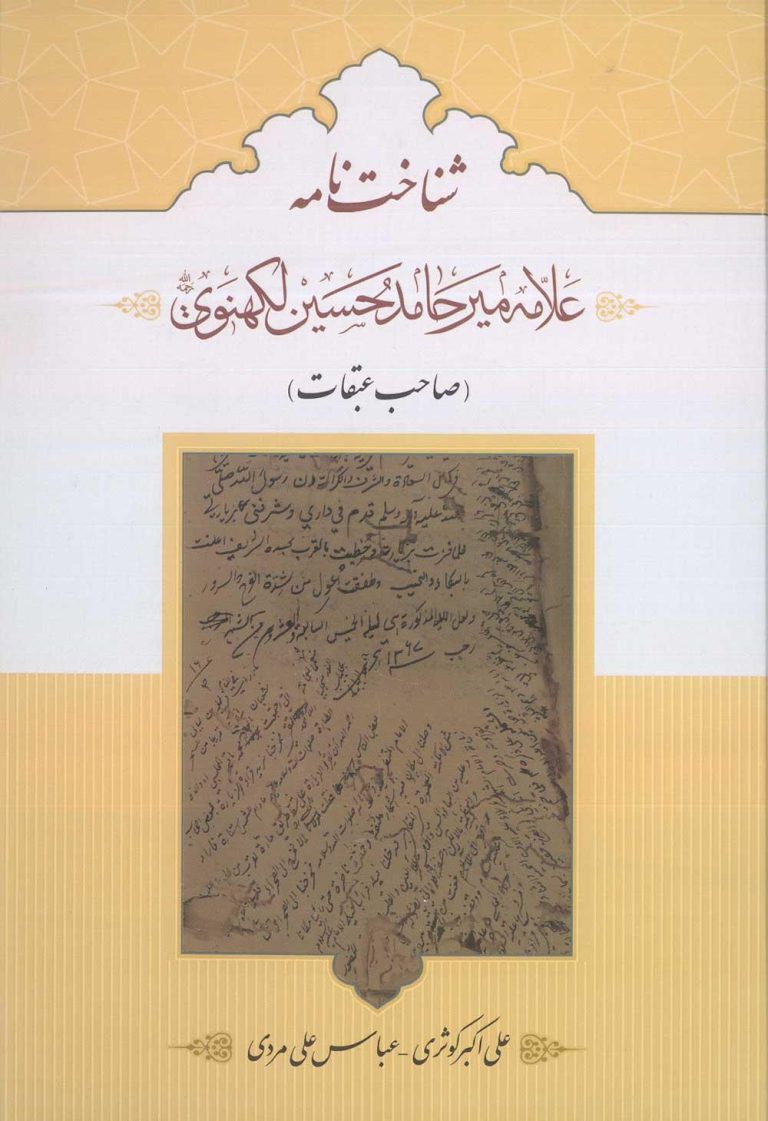
Book review: A Biographical Companion to Allamah Mir Hamid Husayn Lakhnavi explores Lucknow Shia scholarship, Imamate, and 19th-century India.
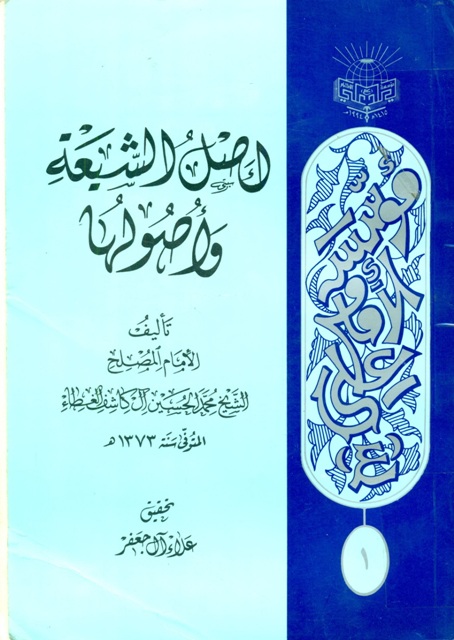
A review of Kāshif al-Ghiṭāʾ’s influential defense of Shiʿism, covering its origins, beliefs, and legal principles.
A review of Farmaniyan’s textbook on the history, doctrines, and diversity of Shiʿi sects, from Kaysaniyya to Shaykhiyya.
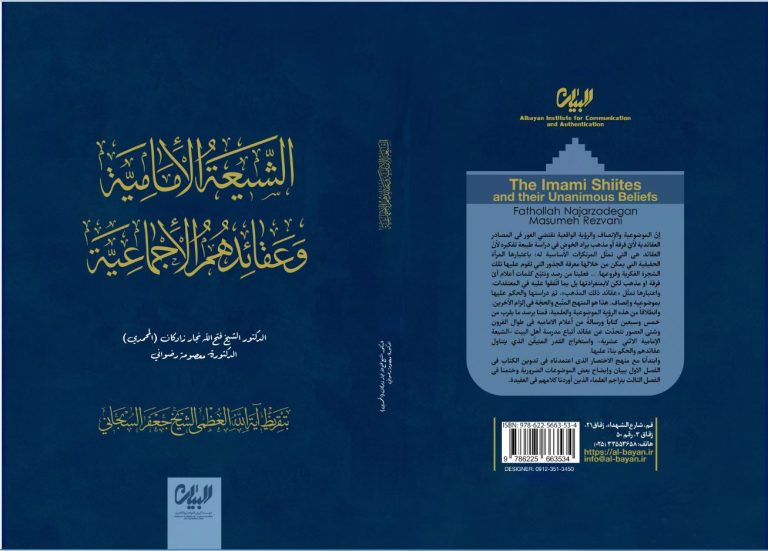
A concise review of Najjārzādeh and Rezvānī’s synthesis of consensual Imami Shi’i doctrines and their methodological contributions.

Spanning 147 pages, this work by Abbas Khajehpiri explores the Islamic Human Rights System through principles like Tawhid and divine sovereignty. It highlights that Islamic privacy traditions date back over 1,400 years, significantly predating 19th-century Western concepts. The book analyzes how Islam integrates material and spiritual dimensions of life, traceing natural rights back to documents older than 2,000 BCE.

Spanning 321 pages, this work examines imprisonment as a tool for reform and deterrence in Islamic Law. It compares views from Imami, Maliki, Shafi’i, Hanbali, and Zaydi sects, emphasizing the shift from mere confinement to modern corrective and educational facilities.

“‘AṢR-E- ZUHŪR” provides a detailed analysis of Islamic eschatology based on Quranic and hadith sources. It outlines regional events in Yemen, Egypt, and Iraq, the role of global powers, and the final establishment of Imam Mahdi’s world government of justice.
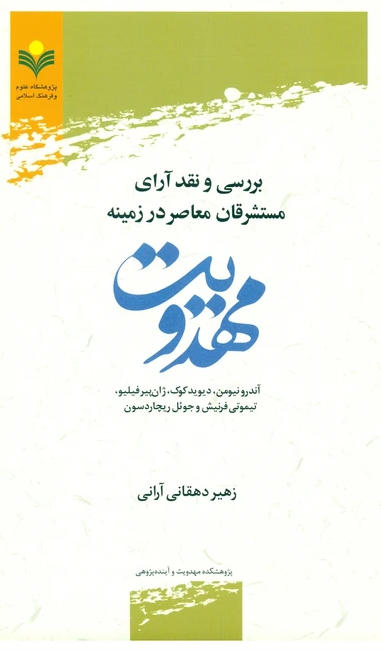
Zohair Dehqani Arani’s study offers an impartial analysis of contemporary Orientalists’ views on the Islamic Messiah. From theological shifts to political interpretations, the work critiques the methodologies of scholars like Andrew Newman and Jean-Pierre Filiu in their study of Mahdism.

“Mahdism and the Reappearance” offers a concise yet deep exploration of eschatological hope across religions. It analyzes the rational proofs of Imam Mahdi’s existence, the scientific possibility of his longevity, and the inevitable signs of his global uprising to establish divine justice.
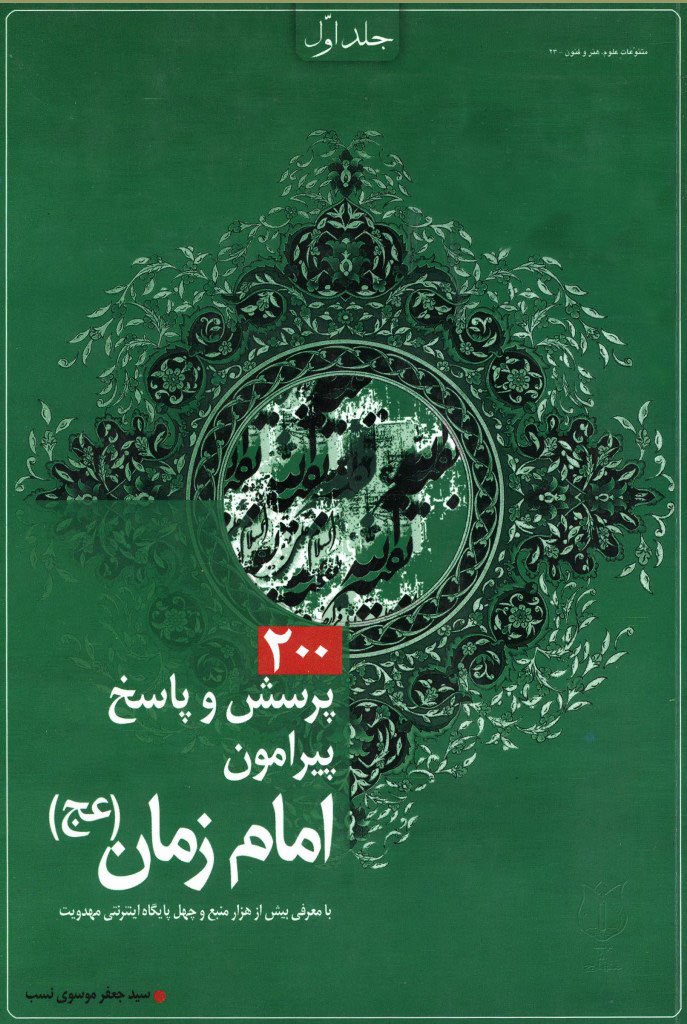
Sayyid Jaʿfar Mūsavīnasab provides a detailed Q&A on Mahdism. This volume addresses 89 questions regarding the signs of the reappearance, the 313 companions, the global government of Imam Mahdi, and the doctrine of Raj’a.
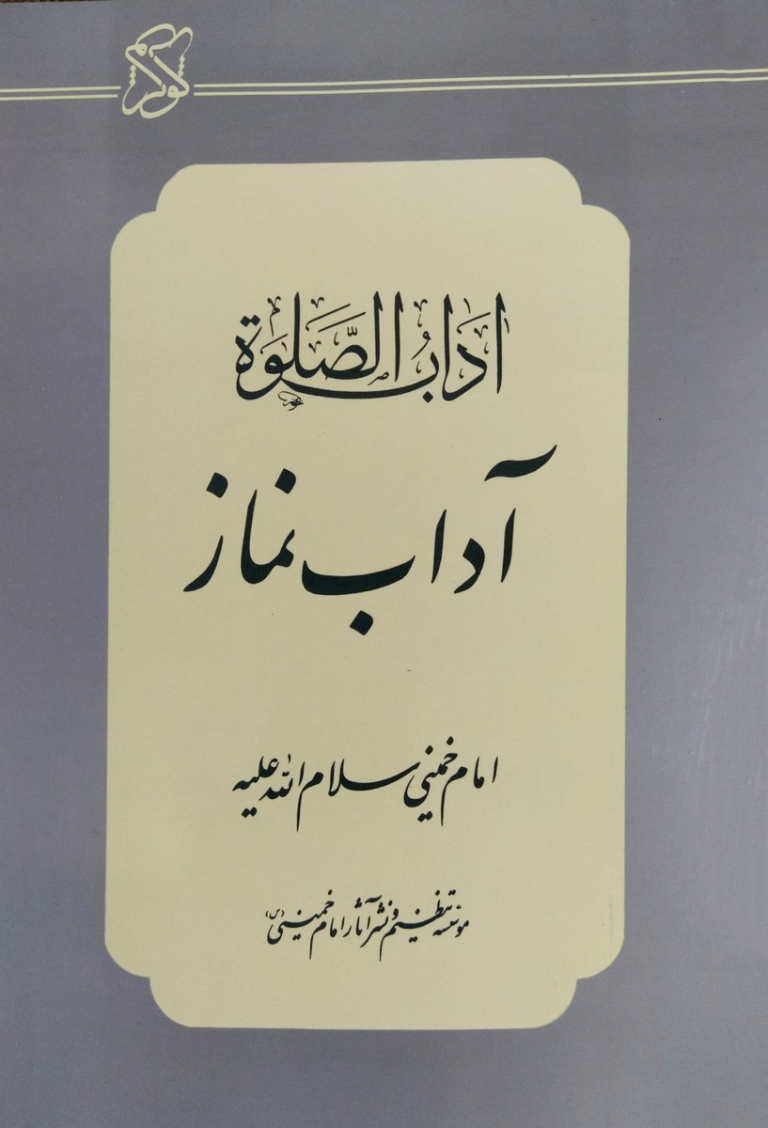
Review of Imam Khomeini’s Adab al-Salah: a guide to the inner disciplines, spiritual secrets, and mystical dimensions of Islamic prayer.

This scholarly work analyzes the historical evolution of how Imāmī exegetes interpreted the Torah and Gospel. It explores theological shifts and concepts of biblical distortion (taḥrīf) within their socio-political contexts.

Ali Shah Alizadah’s Mīrāth-i Tafsīrī-yi Shīʿa recovers and systematizes lost Imami interpretive traditions from the 2nd and 3rd centuries AH. Spanning 702 pages, it traces chains of transmission and thematic trends to revive early Shiʿite Qurʾanic thought.

Maʿrifat-shināsī-yi Qurʾānī offers a holistic Islamic framework for knowledge. Drawing on seventy Quranic verses, Ayatollah Riyshahri explores sensory perception, reason, and divine revelation. This work identifies arrogance and sin as barriers to truth, providing a roadmap for spiritual clarity.
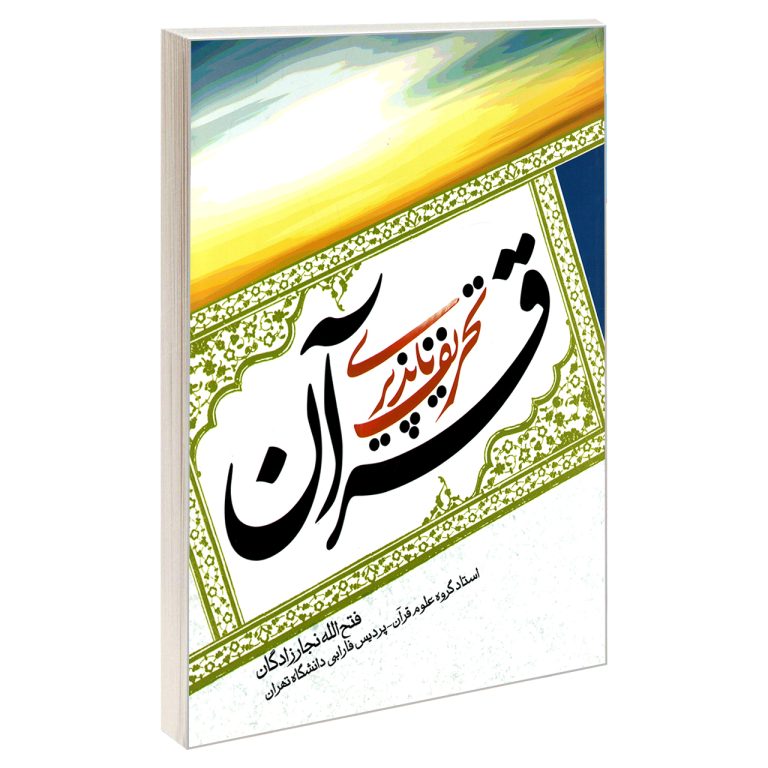
Taḥrīfnāpadhīrī-yi Qurʾān provides a comprehensive analysis of the holy book’s preservation from distortion. By examining over 300 sources, Najjārzādigān addresses controversial narrations in both Shiʿa and Sunni traditions and refutes historical polemics with academic precision.
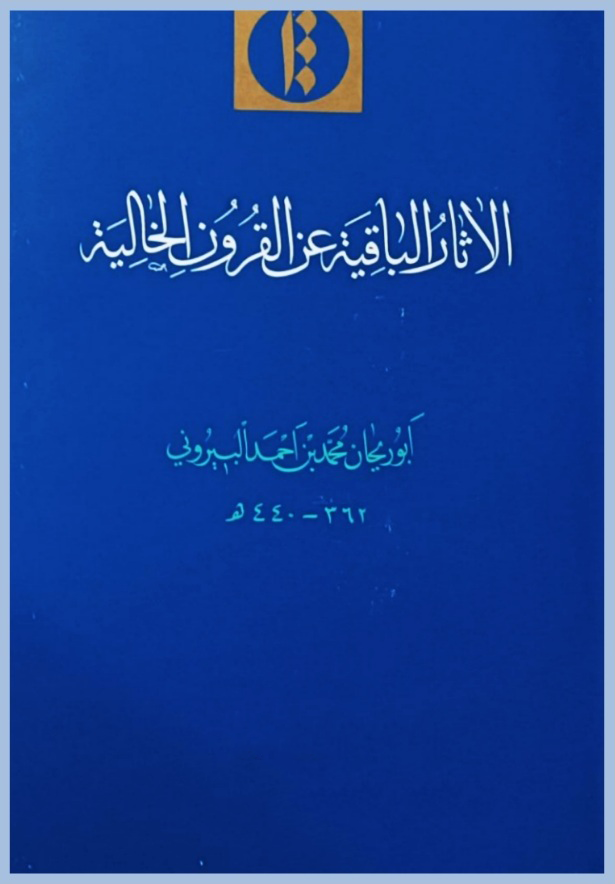
Review of al-Biruni’s Al-Athar al-Baqiya: a medieval study of calendars, festivals, and comparative religion across civilizations.

Hossein Ali Ja‘fari’s work examines repentance as a uniquely human spiritual phenomenon. By synthesizing views from Islamic leaders, the Infallible Imams, and world religions like Buddhism and Zoroastrianism, the book maps the universal journey of seeking divine mercy.
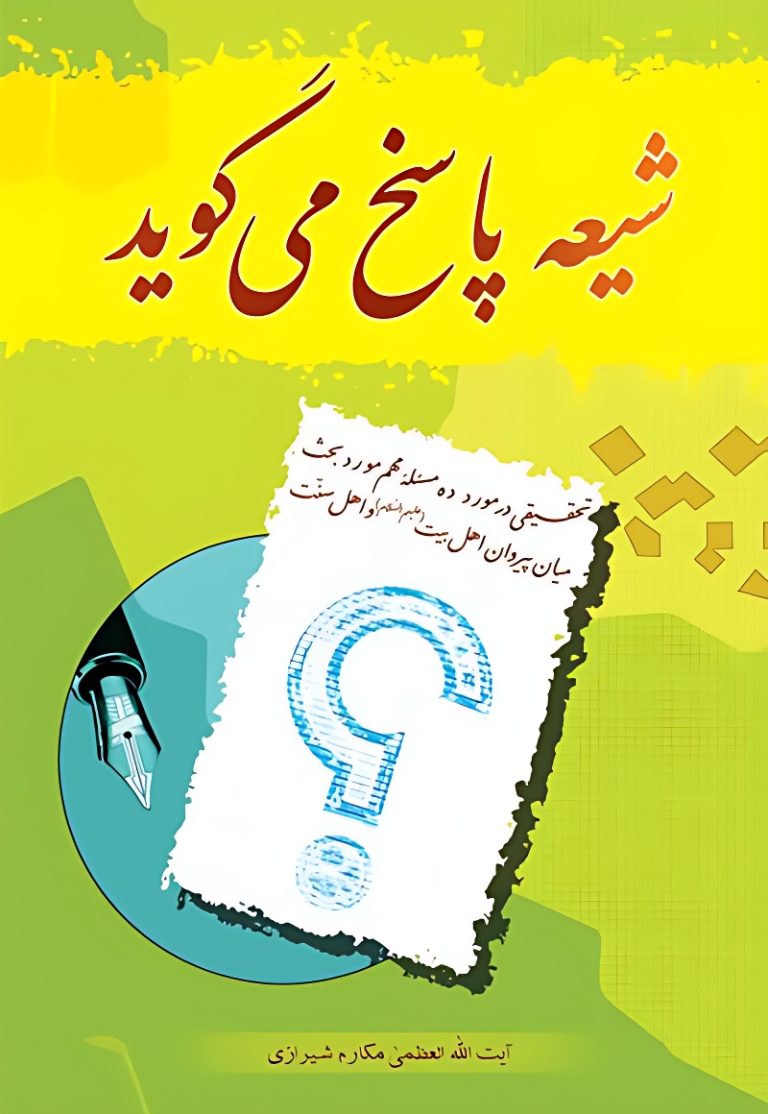
Ayatollah Nasir Makarim Shirazi provides an innovative methodology for Islamic unity by addressing ten points of contention—from the non-distortion of the Quran to the justice of the Companions—using authentic Sunni sources to clarify Shiʿa doctrines and dispel misunderstandings.
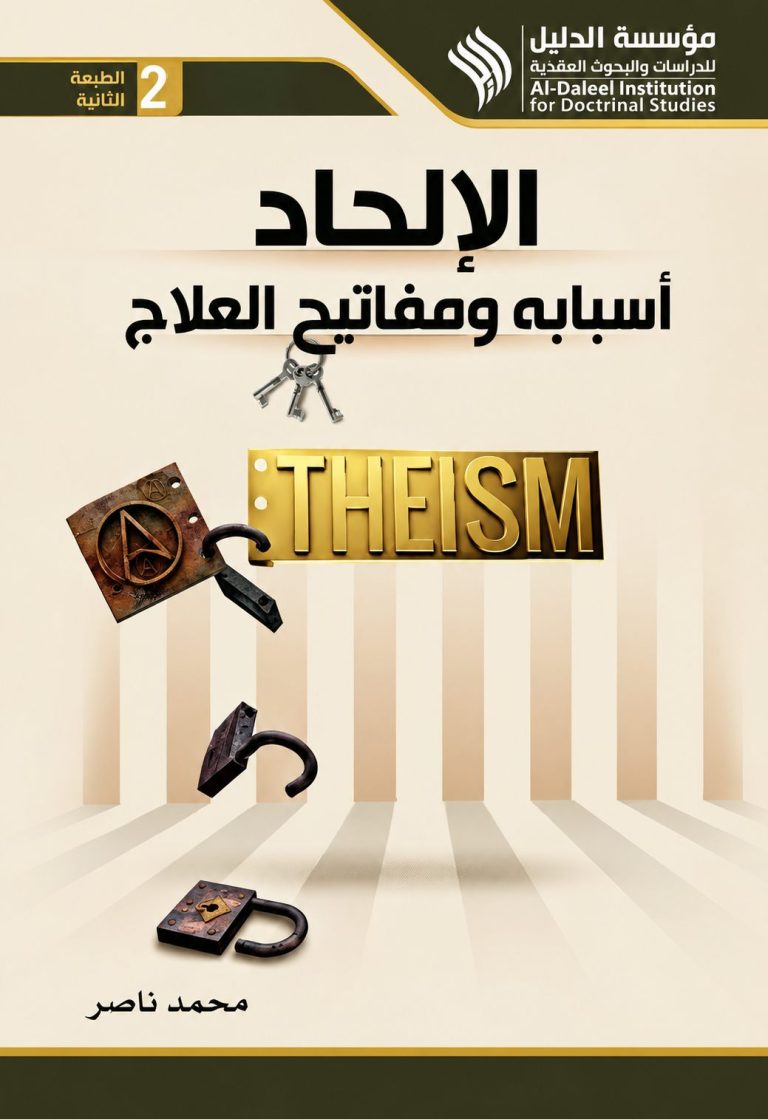
Book review: Atheism – Its Causes and Keys to Treatment by Muhammad Nasir analyzes New Atheism, quantum physics, and Islamic theology.
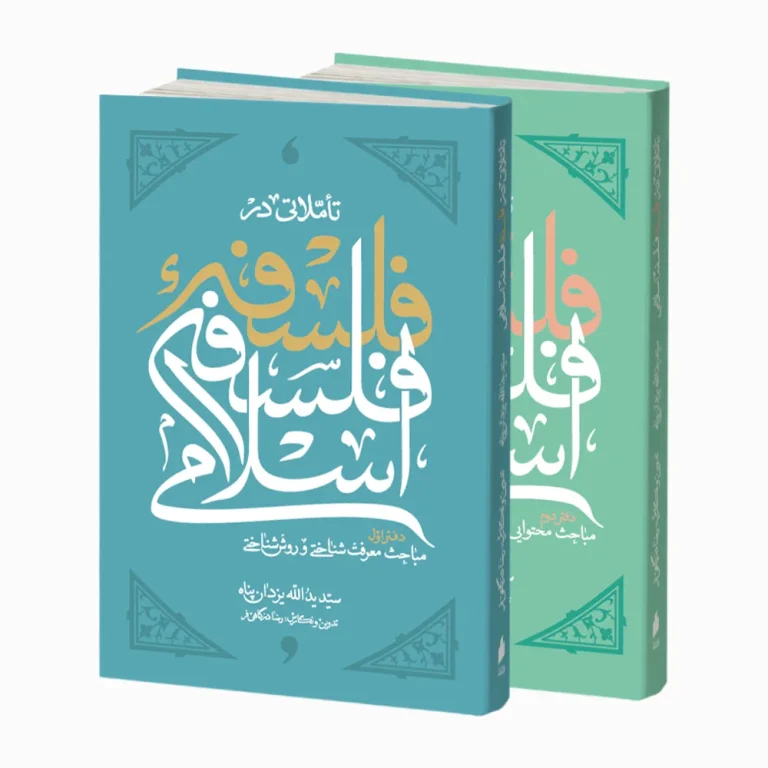
Book review: Reflections on the Philosophy of Islamic Philosophy examines epistemology and method in Islamic philosophy.
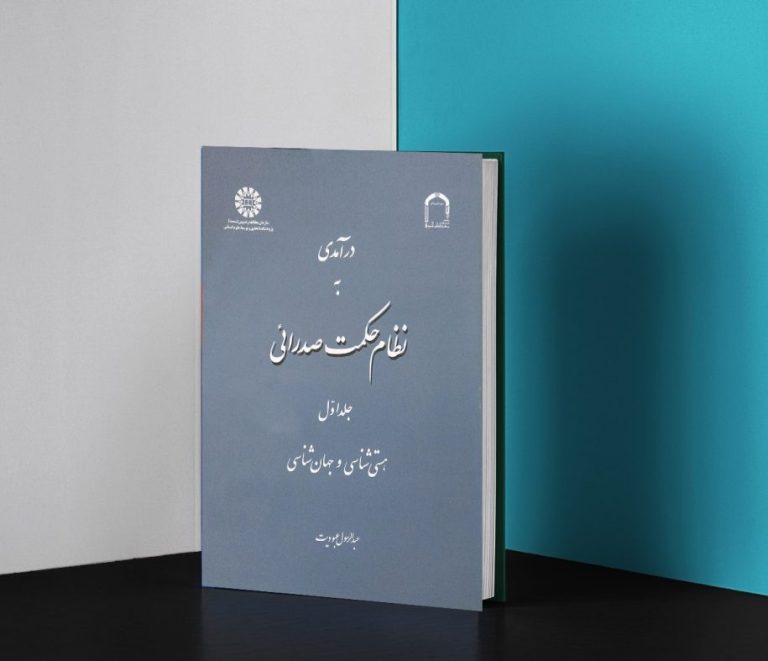
Book review: Atheism – Its Causes and Keys to Treatment by Muhammad Nasir analyzes New Atheism, quantum physics, and Islamic theology.

Imam Musa Sadr’s “Religion in Today’s World” explores how faith in the absolute can regulate a variable world. Adopting a “supra-religious” view, he argues that science and religion are twins, both essential for human progress and social solidarity.
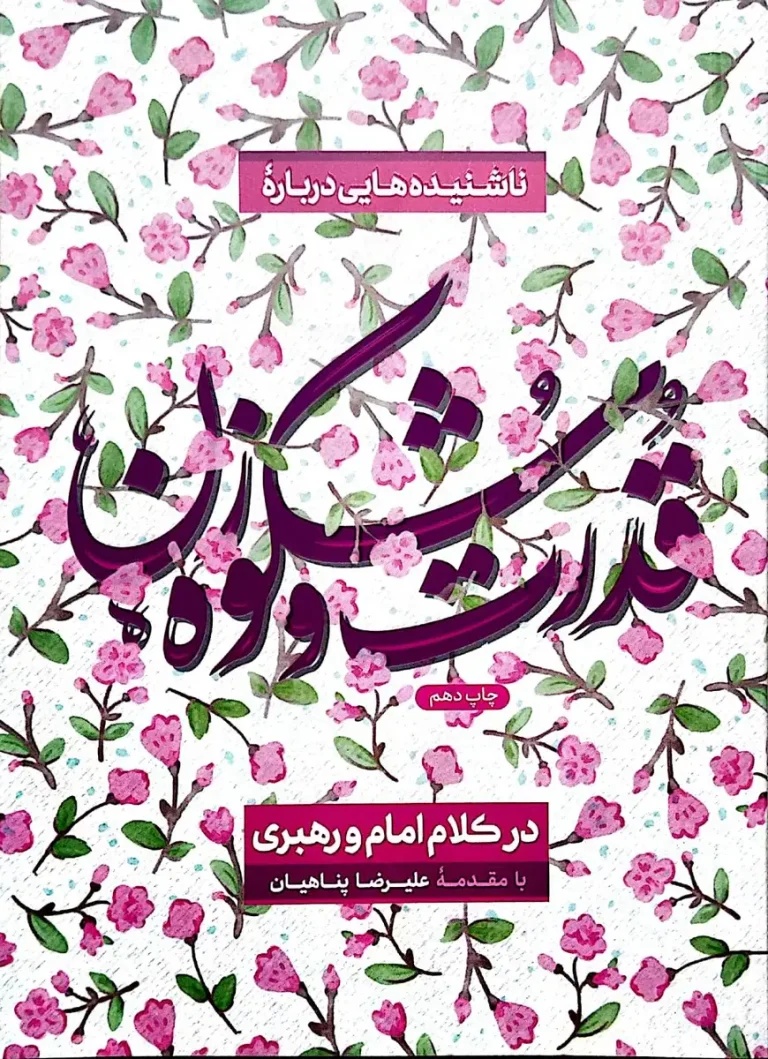
This book explores the sublime status of women and mothers in society through the perspectives of Imam Khomeini and Ayatollah Khamenei.
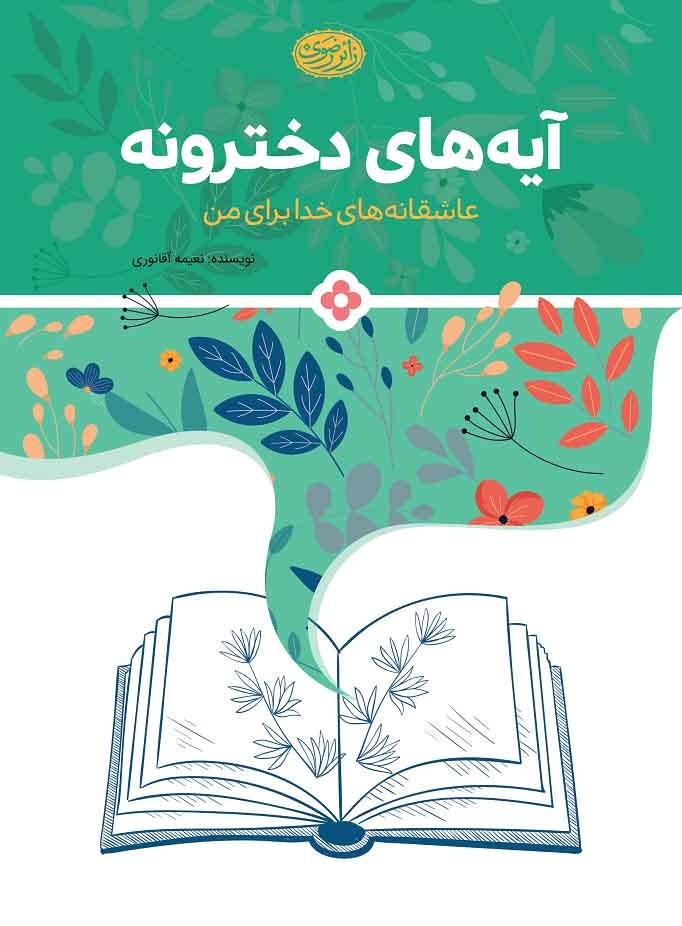
This book interprets Quranic verses to highlight the esteemed status of girls, emphasizing piety and modesty as divine paths to spiritual excellence.

This scholarly work by Ayatollah Sayyid Muhammad Baqir Hakim examines the life of Fatima al-Zahra as the central figure of the Ahl al-Bayt. It provides a historical analysis of her opposition to the Saqifa assembly and her defense of Imam Ali’s leadership to prevent the distortion of Islam.
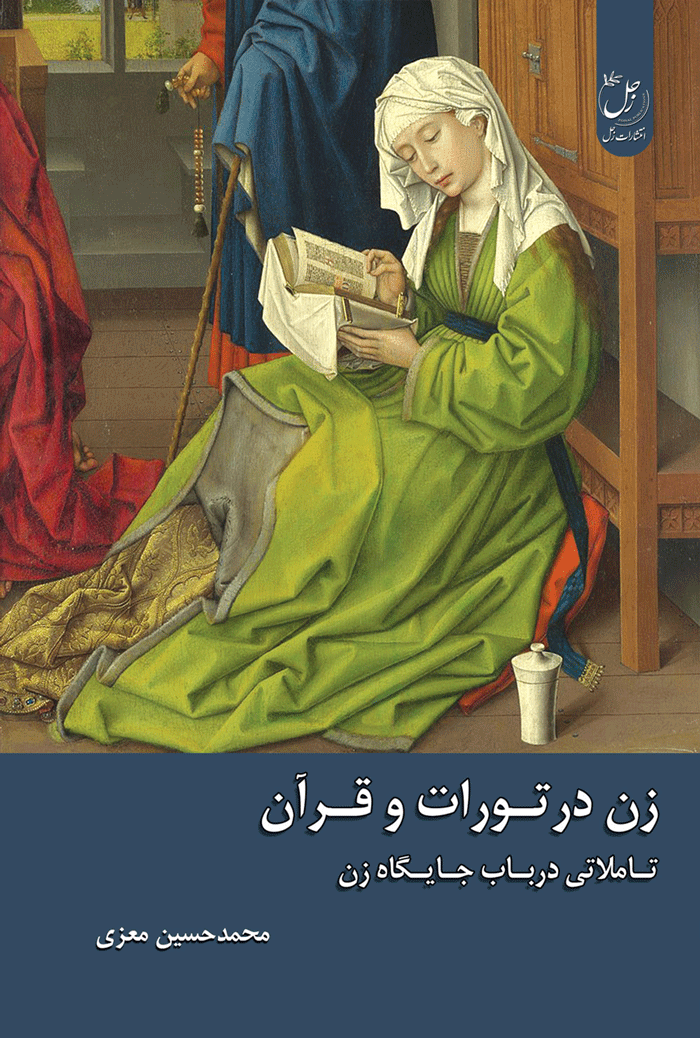
Mohammad Hossein Moezi provides a detailed report on the teachings of Islam and Judaism regarding women. The work contrasts the creation narratives of Eve, examines inheritance and divorce laws, and explores the tension between spiritual equality and distinct social roles.
