
A comprehensive review of Sayyid Jaʿfar Murtaḍā al-ʿĀmilī’s 24-volume study of Imam al-Ḥusayn’s life in hadith and history.
A comprehensive review of Sayyid Jaʿfar Murtaḍā al-ʿĀmilī’s 24-volume study of Imam al-Ḥusayn’s life in hadith and history.
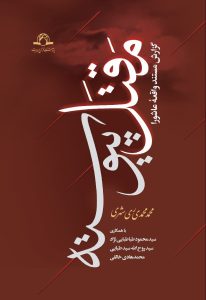
Maqtal-i Piyvastih provides a historically authenticated narrative of the Karbala event. Synthesized from pre-9th-century sources, this work by Ayatollah Riyshahri offers a chronological, story-like format of Imam Hussain’s journey, martyrdom, and the aftermath, complete with detailed maps.
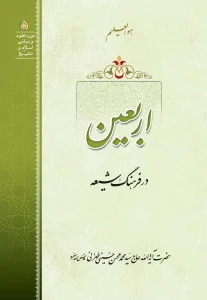
This work offers a novel perspective on Arba‘īn as a distinctive Shia “Shi’ar.” The author explores the significance of the number forty in Islam while arguing that the forty-day mourning ritual is exclusively reserved for Imam Hussein, critiquing its extension to the general deceased.

This treatise by the al-Abbas Holy Shrine examines the Umayyad suppression and anti-Islamic propaganda that necessitated Imam al-Husayn’s movement. It highlights his responsibility as a leader to revive the Prophet’s Sunnah and defend the Quran.
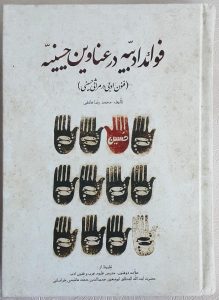
Muhammad Reza Hatefi’s “Fawāʼid-i Adabīyyih” offers a unique morphological analysis of 255 names and titles related to the event of Ashura. This linguistic guide clarifies the pronunciation and grammar of historical terms, titles in elegies, and geographic names associated with Karbala.

Quran va Imam Husayn; Imam Husayn va Quran offers a dual perspective on the bond between the Third Imam and the Divine Book. It analyzes the status of the Quran in the Imam’s life and details his exegetical contributions to Quranic interpretation.

Ali al-Fatlawi’s master’s thesis explores the jurisprudential and historical foundations of mourning Imam al-Husayn. By examining traditions from pre-Islamic prophets to the Ahl al-Bayt, the book validates Hussaini rites against accusations of bid’ah (heresy).
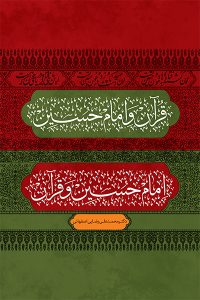
This book review explores Mohammad Ali Rezayi Isfahani’s dual-structured work on the bond between the Third Imam and the Quran. It highlights how the Imam defended the Quran and how the Quran reflects his life, including specific “Ayat al-Husayn” exegeses.
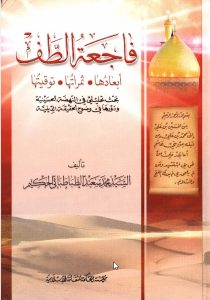
“Fājiʽah al-Ṭaff” offers a unique perspective on the Karbala tragedy from one of Najaf’s greatest mujtahids. This work meticulously traces the migration of Imam al-Husayn, the steadfastness of his companions, and the movement’s enduring role in preserving the authentic identity of Islam against Umayyad distortion.
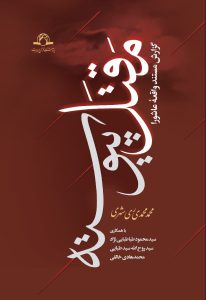
Maqtal-e Peyvasteh offers a condensed yet thorough narrative of Imam al-Husayn’s journey and martyrdom. This single-volume bilingual edition provides a documented account of the Ashura tragedy, from the Prophet’s early predictions to the aftermath in Karbala.
