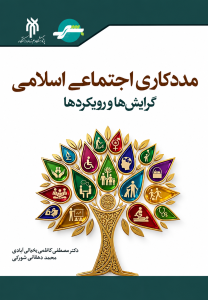
Book review: An Introduction to Islamic Social Work explores Maqasid al-Shariah-based theory, trends, and specializations in Islamic social work.
Book review: An Introduction to Islamic Social Work explores Maqasid al-Shariah-based theory, trends, and specializations in Islamic social work.

Farhang-nāmih-yi Taqwā excavates the essence of God-consciousness from the Quran and Hadith. Co-authored by Ayatollah Riyshahri, this volume offers a practical and scholarly roadmap to one of Islam’s most exalted virtues, identifying its foundations, effects, and historical exemplars.

This work examines Islamic moral philosophy with a focus on Allamah Tabatabai’s perspectives. It defines ethical science, classifies ethical schools, and delves into the theory of conventionalism (iʿtibārīyāt) to explain how moral education guides humanity toward perfection.

Based on ethical teachings by Ayatollah Mazaheri, this book examines the mutual rights of humans, nature, and animals. Using 580 scriptural sources, it defines a hierarchy of justice and service, emphasizing that honoring human rights is the greatest form of Islamic worship.

Manifestations of the Beauties of Religion explores the aesthetic dimensions of Islam through the teachings of Ayatollah Javadi Amoli. It defines religious art as the creation of perfection, justifies Sharia laws as spiritual remedies, and highlights the tranquility found in divine supplications.
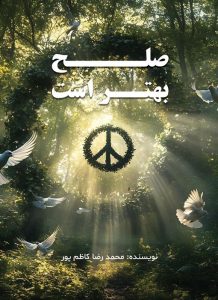
Mohammad Reza Kazempur’s “Peace is Better” substantiates the values of harmony through the Quran and Persian poetry. It clarifies the distinction between defensive and initial Jihad, promotes universal human brotherhood, and offers strategies for achieving global peace through dialogue.
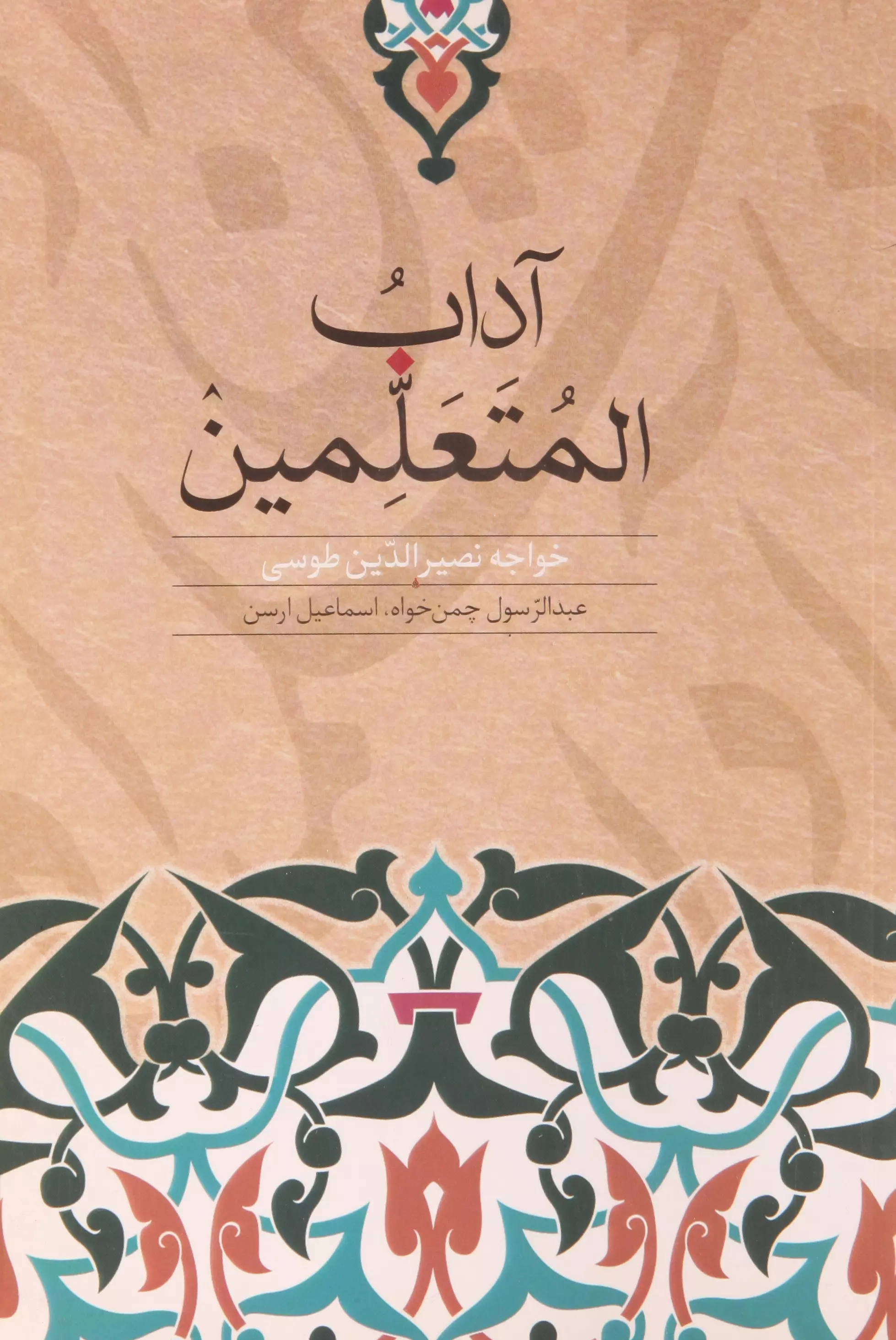
Ādāb al-Mutaʿallimīn is a foundational text in Shiʿa seminaries that outlines the spiritual and practical discipline required for students. Khāja Naṣīr al-Dīn al-Ṭūsī provides a 12-chapter roadmap for choosing teachers, improving memory through piety, and aligning one’s academic pursuits with divine pleasure.
Adabiyyat va taʽahhod dar Islam is a landmark study by Mohammad-Reza Hakimi that introduces the concept of “committed literature” to the Iranian intellectual landscape. The book bridges classical Shii rhetoric with modern social justice, calling for a literary tradition that serves as a guide for community building.
