News
The latest stories happening in the Islamic world


News of Scientific Meetings
Intersection of Tradition and Technology: National Conference on Digital Islamic and Human Sciences


Islamic Studies Digest
Get familiar with recently published books and articles in the Islamic world by reading a review of them
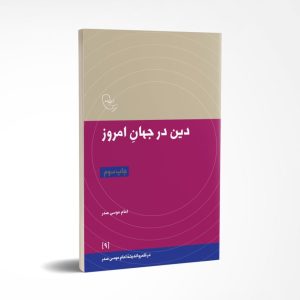
Imam Musa Sadr’s “Religion in Today’s World” explores how faith in the absolute can regulate a variable world. Adopting a “supra-religious” view, he argues that science and religion are twins, both essential for human progress and social solidarity.

Min Maṣādir al-Fikr al-Islāmī acts as a bibliographic roadmap for Shii studies, categorizing eighty-five pivotal books across disciplines like Hadith, Tafsir, and Fiqh. From classical texts by Sheikh al-Mufīd to contemporary philosophy by al-Ṭabāṭabāʼī, this guide is essential for researchers.
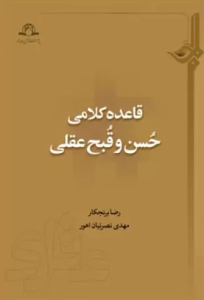
This text reviews a scholarly book exploring the principle of rational moral judgment in Islamic theology. The authors examine how human reason can independently identify good and evil, comparing various theological schools. Ultimately, the work emphasizes this principle’s vital role in understanding divine justice and moral accountability.
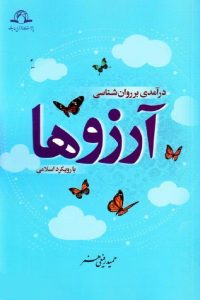
This book introduces a psychological model of “ʾamal” (aspiration) by synthesizing Islamic sources with academic clinical insights. It categorizes wishes into constructive or destructive states based on their alignment with reason or ignorance. Finally, the author offers practical cognitive and spiritual strategies to manage these desires for better psychological health.
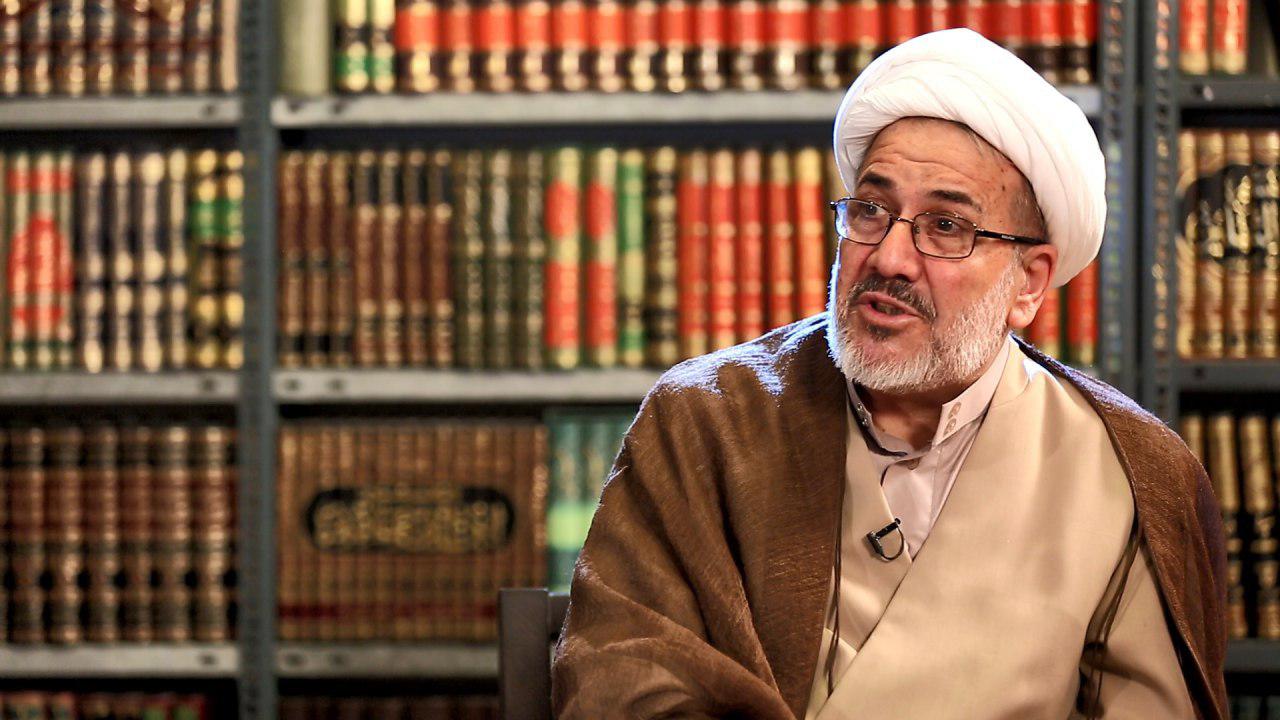

I hope the Tolou International Institute will take a step toward achieving a prominent presence in the human theoretical realms by clever participation in various fields.
The Prominent Islamic scholar

This engaging platform pursues a vital scholarly mission, serving as an invaluable resource for disseminating Islamic research, conferences, and contemporary studies.
Faculty Member and Full Professor at the University of Tehran
Courses
Do you want to promote your knowledge? We help you with the process of knowing and joining a variety of courses in our academic centers

Intro to Short-Term Courses
Global Outreach: Advanced Online Course on Islamic Studies in English

Contemporary Fiqh
Beyond Westphalia: The Jurisprudence of International Relations by Shaykh Mortaza Torabi

Contemporary Fiqh
The Green Sharia: Jurisprudence of the Environment by Shaykh Ahmad Moballeghi

Contemporary Fiqh
The Halal Portfolio: Jurisprudence of Stock Exchanges and Financial Markets
