
A review of al-ʿĀmilī’s 53-volume critical biography of Imam ʿAlī, reconstructing his life from Sunni and Shiʿi sources.
A review of al-ʿĀmilī’s 53-volume critical biography of Imam ʿAlī, reconstructing his life from Sunni and Shiʿi sources.
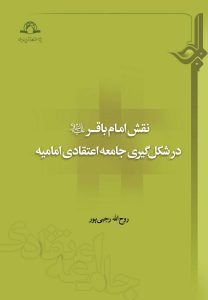
This scholarly work investigates how Imām Bāqir (a) shaped the distinct doctrinal identity of the Imāmī Shīʿa through deliberate theological and practical strategies during the early 2nd century AH.
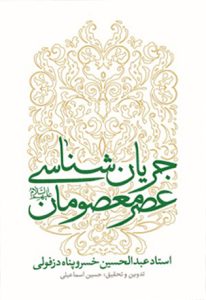
This work analyzes the intellectual and socio-political movements during the Imams’ eras to safeguard authentic religion from secular and deviant ideologies.
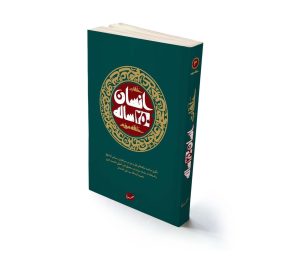
This seminal work reinterprets the lives of the twelve Imams as a single, continuous 250-year struggle to establish divine governance. It shifts the focus from purely spiritual narratives to the intense political efforts of the Infallibles to combat corruption and social injustice. Through historical analysis, the book illustrates how each Imam adapted their strategies—from silence to uprising—to preserve the core mission of Islam.
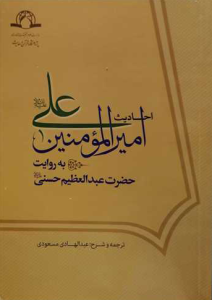
This work by Abd al-Hadi Mas’udi reconstructs nearly one hundred narrations of Imam Ali transmitted by the noble Abd al-Azim al-Hasani. Recovered from a Zaydi manuscript, it offers spiritual and ethical insights into Islamic governance, personal development, and faith.

Naqsh-i Nigār provides a comprehensive review of Imam Ali’s life, from his early bravery at Laylat al-Mabit to his rigorous pursuit of economic equality during his caliphate. Drawing from Ayatollah Khamenei’s insights, it highlights his roles as a warrior, advisor, and just leader.
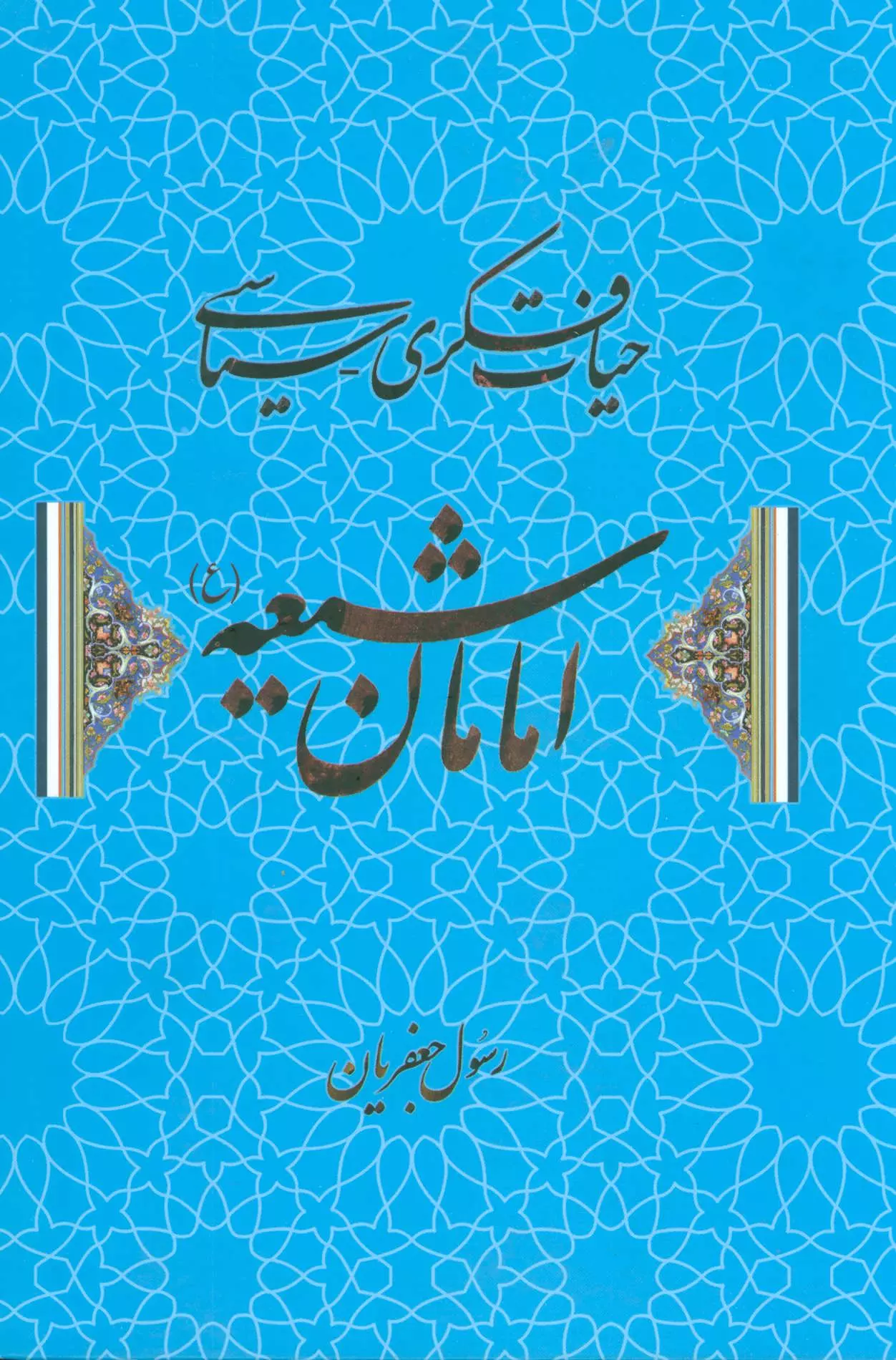
Rasul Jafarian’s Intellectual and Political Life of Shiʿa Imāms offers a profound analysis of the 12 Imams’ leadership. From Imam Ali’s utopian governance to Imam Sajjad’s spiritual diplomacy through prayer, this work maps the strategic evolution of Shiite thought.
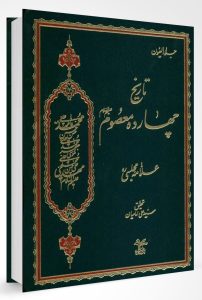
Allāma Majlisī’s “Jalāʾ al-ʿUyūn” serves as a comprehensive Persian record of the Fourteen Infallibles. Focusing on their virtues, miracles, and historical trials, it provides a spiritual roadmap for the public, emphasizing the transformative power of devotion and remembrance.
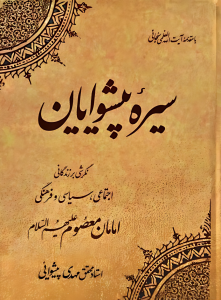
Sīriy-i Pīshvāyān provides an analytical roadmap of Shiʿa leadership, from the caliphate of Imam ʿAlī to the occultation of Imam Mahdi. This book is a vital resource for understanding how the Imams navigated political oppression while preserving Islamic teachings through diverse strategies.

Muhammad Ibrahim Ayati’s Tarikh-i peyambar-i Islam is a Persian classic that provides a rigorous historical account of the Prophet’s life. This review covers its unique focus on tribal Arab history, the Hijra, and the diplomatic treaties of the Medinan period.
