Al Ṣaḥīḥ min Sīrat al Imām ʿAlī
A review of al-ʿĀmilī’s 53-volume critical biography of Imam ʿAlī, reconstructing his life from Sunni and Shiʿi sources.
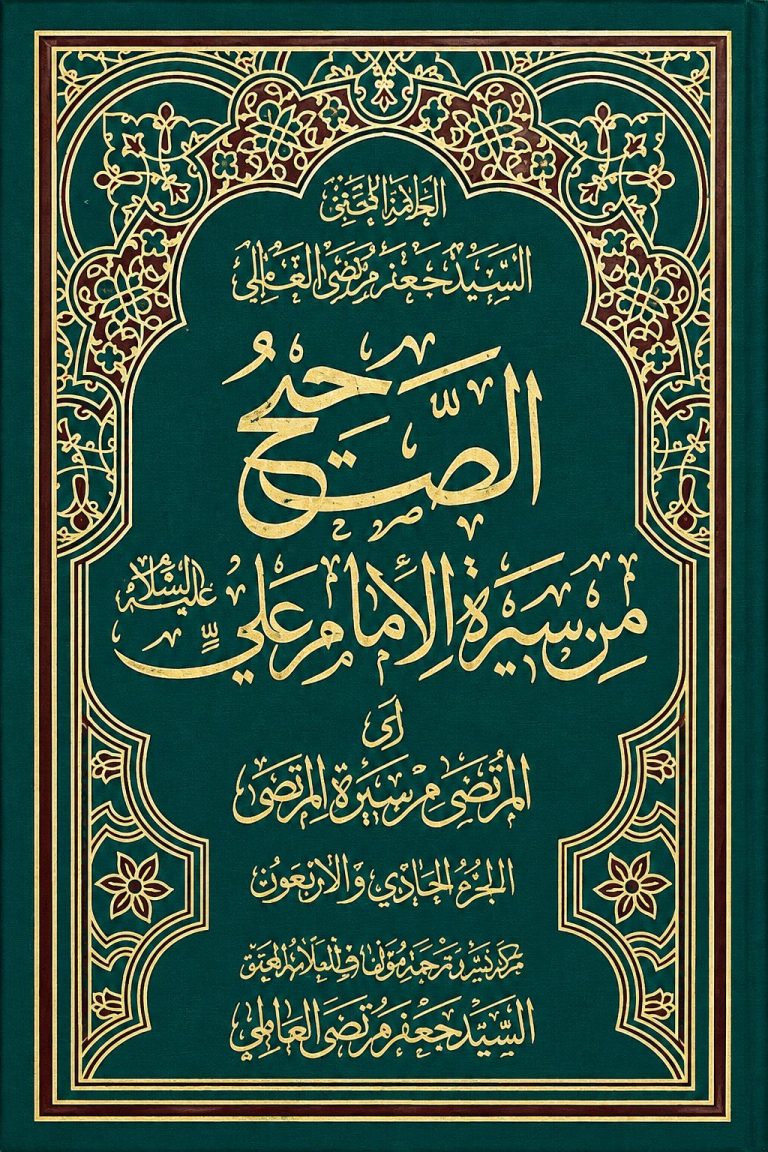
A review of al-ʿĀmilī’s 53-volume critical biography of Imam ʿAlī, reconstructing his life from Sunni and Shiʿi sources.
A comprehensive review of Sayyid Jaʿfar Murtaḍā al-ʿĀmilī’s 24-volume study of Imam al-Ḥusayn’s life in hadith and history.

The Dānishnāmih-yi Aḥādīth-i Pizishkī is a monumental two-volume encyclopedia that systematically organizes narrations from the Prophet and Ahl al-Bayt concerning health and healing. Led by Āyatullāh Riyshahrī, the work bridges traditional wisdom with modern scientific inquiry by categorizing hadiths according to human anatomy and preventive practices. It applies rigorous scholarly analysis to authenticate medical traditions while providing a rich resource for both religious scholars and healthcare researchers. Ultimately, this encyclopedia serves as a foundational text for the academic revival of Islamic medical heritage.

This work analyzes the intellectual and socio-political movements during the Imams’ eras to safeguard authentic religion from secular and deviant ideologies.

This seminal work reinterprets the lives of the twelve Imams as a single, continuous 250-year struggle to establish divine governance. It shifts the focus from purely spiritual narratives to the intense political efforts of the Infallibles to combat corruption and social injustice. Through historical analysis, the book illustrates how each Imam adapted their strategies—from silence to uprising—to preserve the core mission of Islam.

This scholarly work by Ayatollah Sayyid Muhammad Baqir Hakim examines the life of Fatima al-Zahra as the central figure of the Ahl al-Bayt. It provides a historical analysis of her opposition to the Saqifa assembly and her defense of Imam Ali’s leadership to prevent the distortion of Islam.

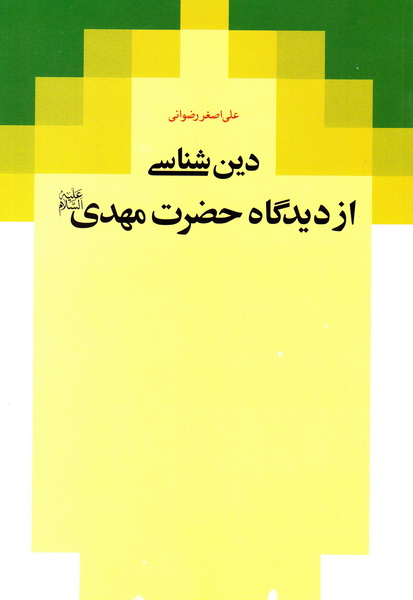
Ali Asghar Ridvani’s Dīnshināsī az Dīdgāh-i Ḥaḍrat-i Mahdī (a) systematically categorizes the Twelfth Imam’s hadiths into nine core religious subjects. Covering everything from the impossibility of knowing God’s essence to 63 specific jurisprudential rulings, this work provides a comprehensive religious course derived directly from the words and prayers of Imam Mahdi.
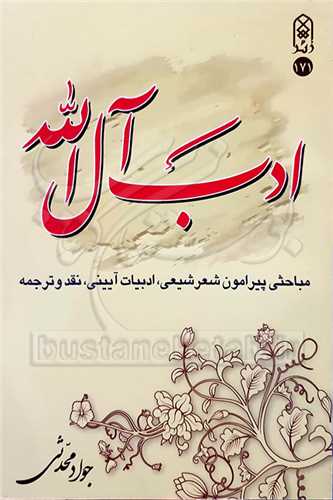
Adab Āl Allāh provides a scholarly yet accessible introduction to Shii ritual literature. Javad Muhaddethi analyzes how theological commitment to the Ahl al-Bayt has shaped literary traditions across languages, focusing on historical milestones like Ghadir and the sacrifice of Ashura.