Aṣl al-Shīʿa wa Uṣūluhā
A review of Kāshif al-Ghiṭāʾ’s influential defense of Shiʿism, covering its origins, beliefs, and legal principles.
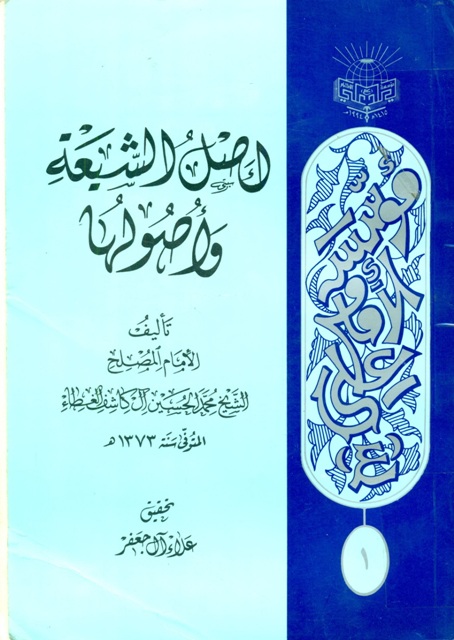
A review of Kāshif al-Ghiṭāʾ’s influential defense of Shiʿism, covering its origins, beliefs, and legal principles.
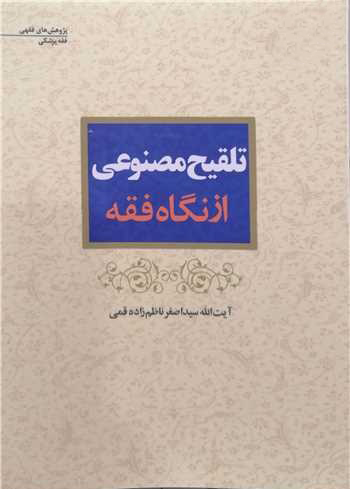
This book provides a jurisprudential analysis of artificial insemination, examining its permissibility, legal lineage, and ethical issues in modern medicine.
Spanning 147 pages, this work by Abbas Khajehpiri explores the Islamic Human Rights System through principles like Tawhid and divine sovereignty. It highlights that Islamic privacy traditions date back over 1,400 years, significantly predating 19th-century Western concepts. The book analyzes how Islam integrates material and spiritual dimensions of life, traceing natural rights back to documents older than 2,000 BCE.

Spanning 321 pages, this work examines imprisonment as a tool for reform and deterrence in Islamic Law. It compares views from Imami, Maliki, Shafi’i, Hanbali, and Zaydi sects, emphasizing the shift from mere confinement to modern corrective and educational facilities.

A Jurisprudential Study of Takfīr by Zahra Sadat Khalesi-nezhad addresses the greatest challenge to Islamic unity. Investigating historical roots from ancient Greece to the Khawarij and Wahhabism, the work defines the criteria for faith and warns against branding Muslims as disbelievers.

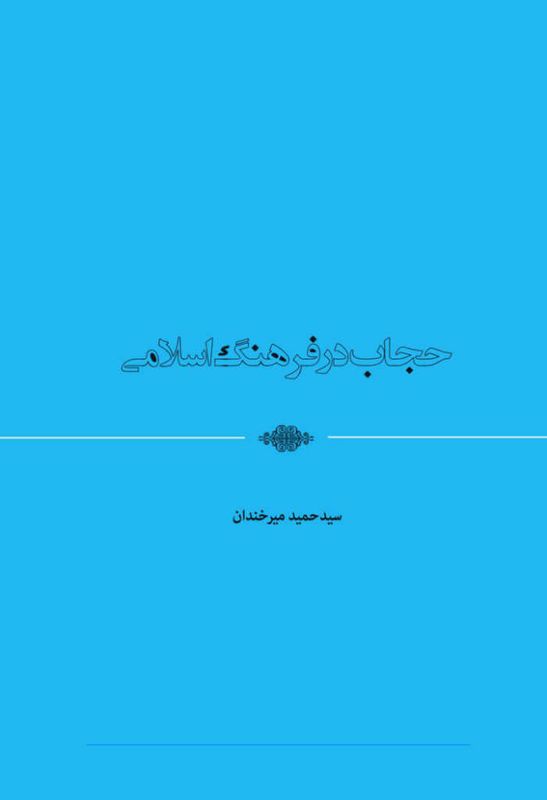
Mir Khandan analyzes the historical and legal dimensions of women’s attire, tracing it from ancient civilizations to Quranic legislation. The book distinguishes between ‘hijab’ and ‘covering,’ focusing on dignity and family stability.
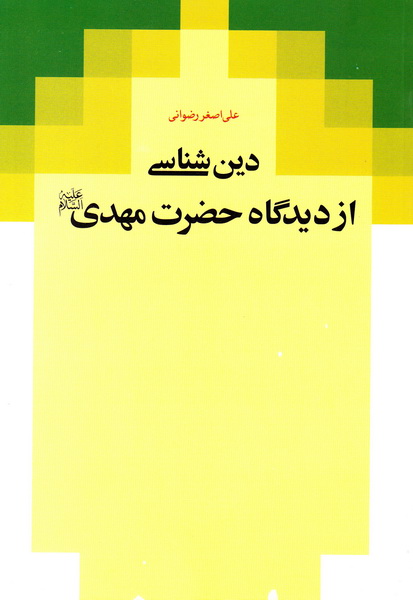
Ali Asghar Ridvani’s Dīnshināsī az Dīdgāh-i Ḥaḍrat-i Mahdī (a) systematically categorizes the Twelfth Imam’s hadiths into nine core religious subjects. Covering everything from the impossibility of knowing God’s essence to 63 specific jurisprudential rulings, this work provides a comprehensive religious course derived directly from the words and prayers of Imam Mahdi.
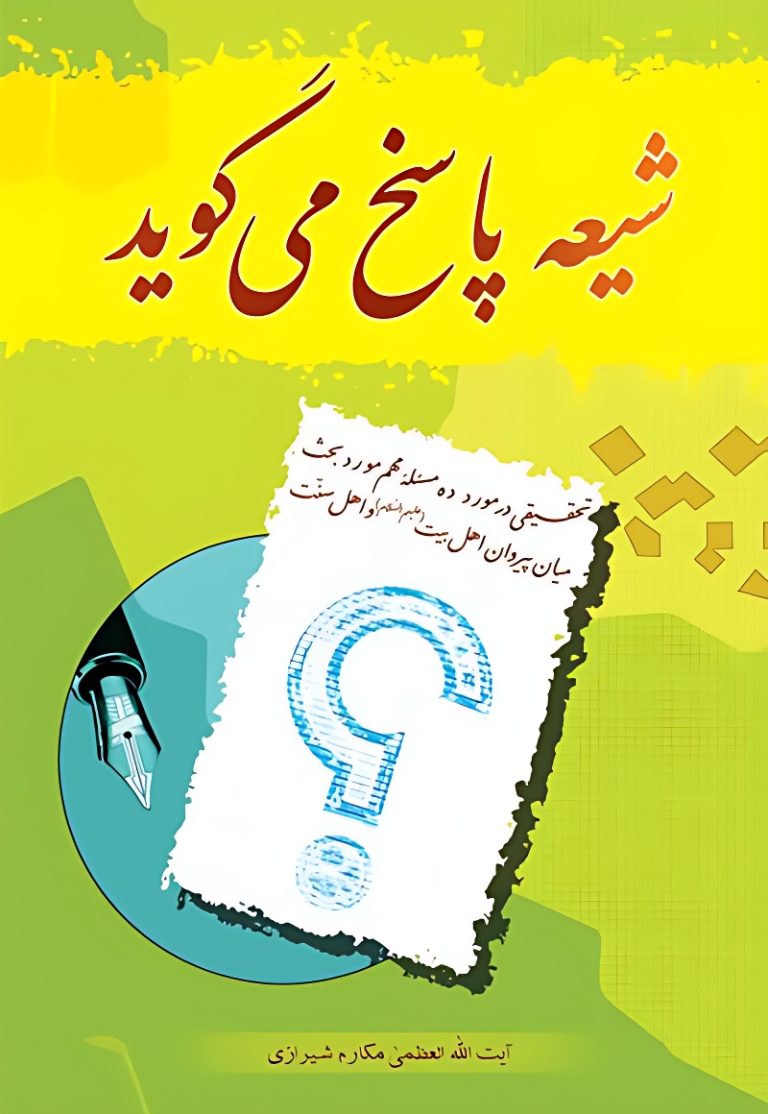
Ayatollah Nasir Makarim Shirazi provides an innovative methodology for Islamic unity by addressing ten points of contention—from the non-distortion of the Quran to the justice of the Companions—using authentic Sunni sources to clarify Shiʿa doctrines and dispel misunderstandings.