Al Ṣaḥīḥ min Sīrat al Imām ʿAlī
A review of al-ʿĀmilī’s 53-volume critical biography of Imam ʿAlī, reconstructing his life from Sunni and Shiʿi sources.
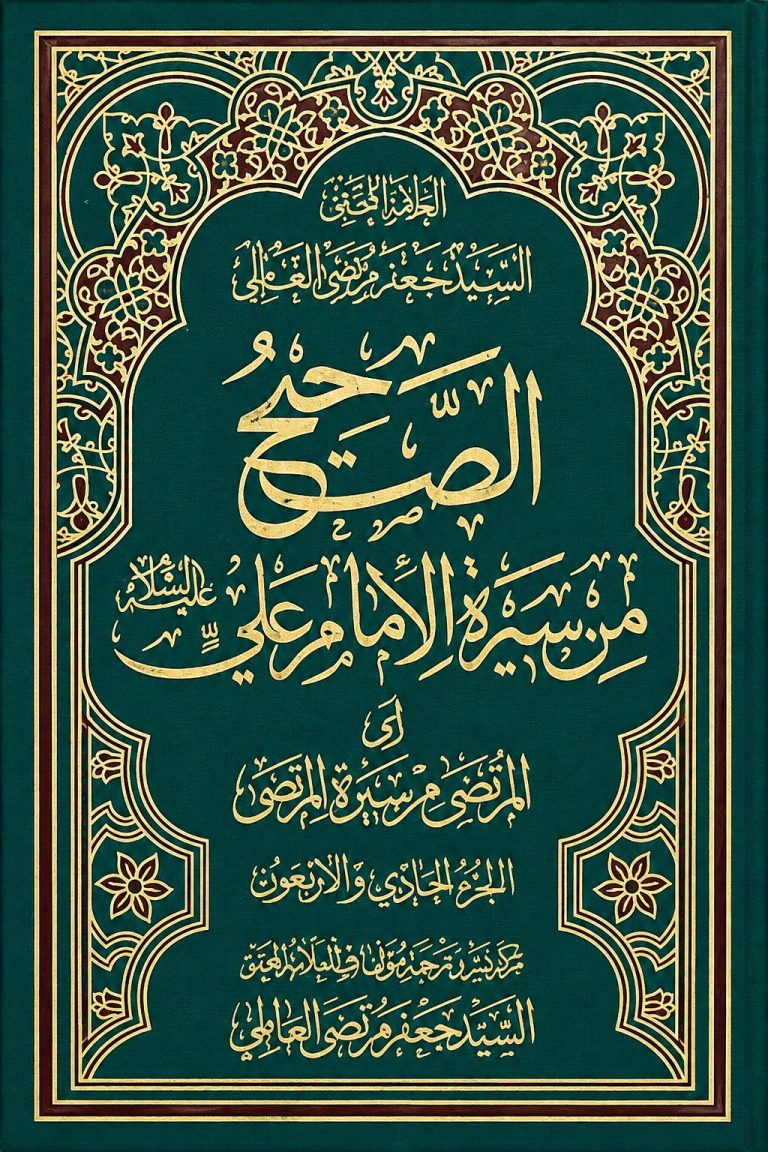
A review of al-ʿĀmilī’s 53-volume critical biography of Imam ʿAlī, reconstructing his life from Sunni and Shiʿi sources.
Naqsh-i Nigār provides a comprehensive review of Imam Ali’s life, from his early bravery at Laylat al-Mabit to his rigorous pursuit of economic equality during his caliphate. Drawing from Ayatollah Khamenei’s insights, it highlights his roles as a warrior, advisor, and just leader.

Mohammad Reza Kazempur’s “Peace is Better” substantiates the values of harmony through the Quran and Persian poetry. It clarifies the distinction between defensive and initial Jihad, promotes universal human brotherhood, and offers strategies for achieving global peace through dialogue.

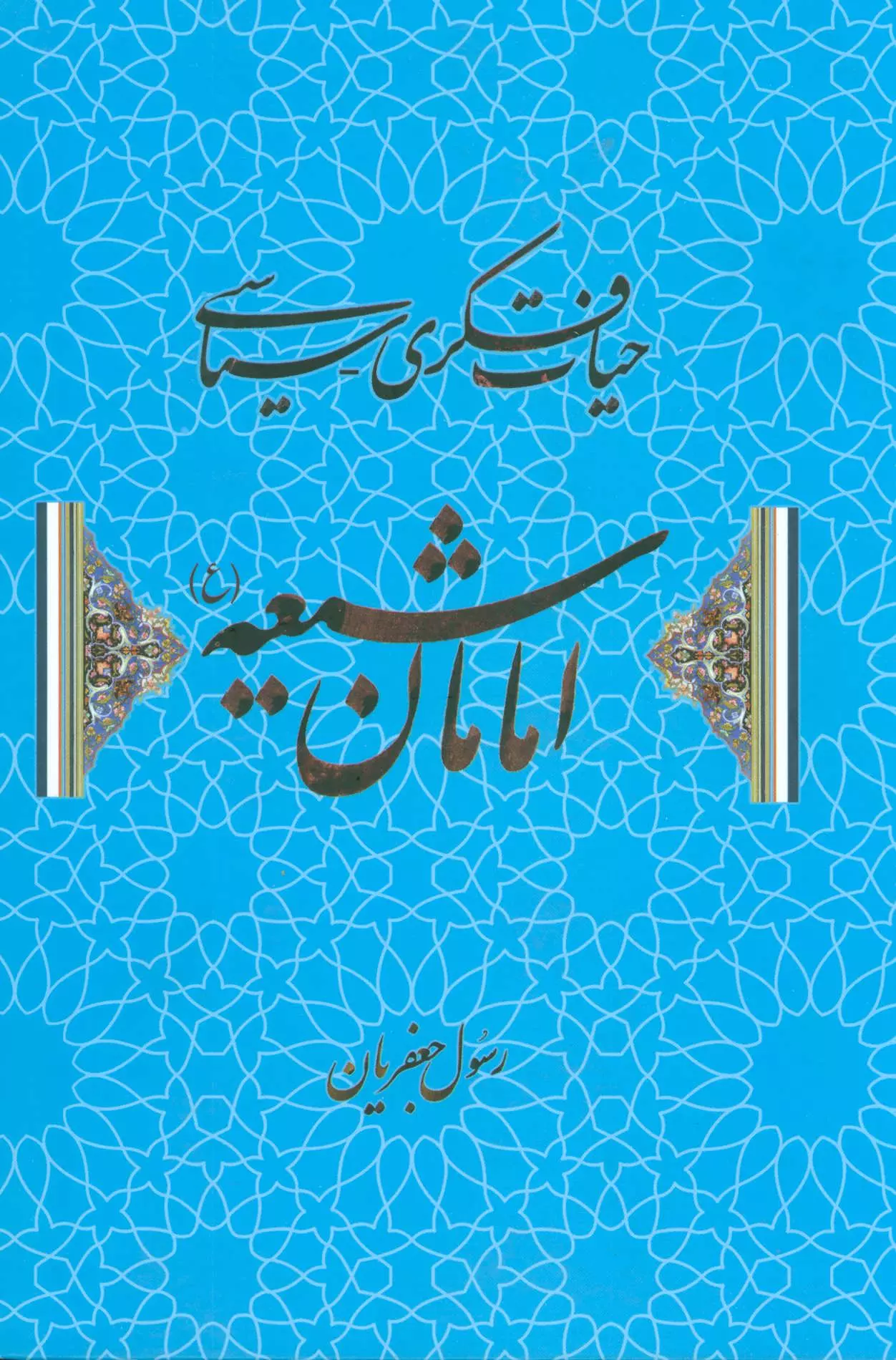
Rasul Jafarian’s Intellectual and Political Life of Shiʿa Imāms offers a profound analysis of the 12 Imams’ leadership. From Imam Ali’s utopian governance to Imam Sajjad’s spiritual diplomacy through prayer, this work maps the strategic evolution of Shiite thought.
Analytical History of Islam provides a methodical approach to historical scholarship, contrasting narrative and scholarly history. It analyzes the Prophet’s era, the Saqīfah conspiracy, Imam ʻAlī’s governance, and the role of the four delegates during the Minor Occultation.

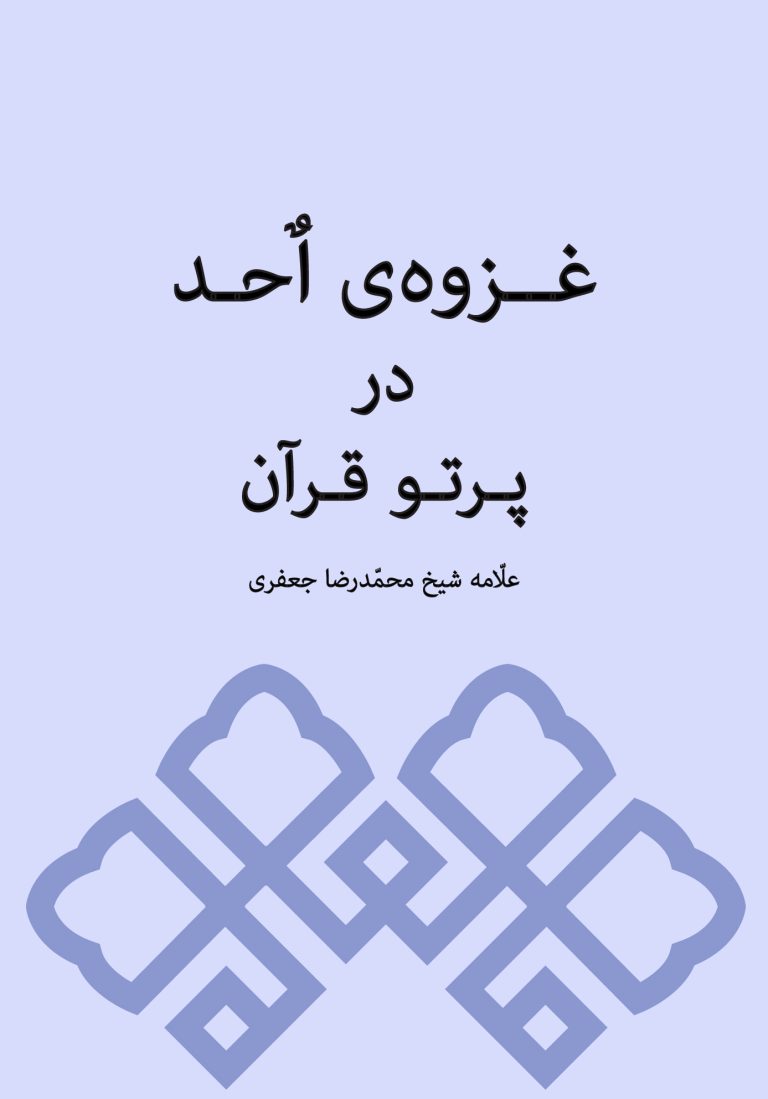
Allamah Muhammad-Reza Jafari provides a groundbreaking analysis of the Battle of Uhud by prioritizing Quranic verses over later historical accounts. The book explores the tactical failures at the mountain pass, the conspiracies of hypocrites, and the unparalleled defense of the Prophet by Imam Ali.
Shakhṣīyyathā-yi Shīʻih dar Ṣadr-i Islām is a scholarly defense of the historical origins of Shiism. By chronicling the lives of over fifty companions, from Abu Ayyūb al-Anṣārī to Ḥujr b. ʻAdī, Subḥānī dismantles claims that Shiism was a later development and highlights the resistance of early believers against Umayyad hegemony.

Rasul Jafarian’s work provides a seamless narrative of the 12 Shii Imams, moving beyond fragmented accounts to explore the intellectual and political landscapes of their eras. This review covers the evolution of Shii historiography, from the martyrdom of Imam al-Husayn to the occultation of Imam al-Mahdi.