
This scholarly work analyzes the historical evolution of how Imāmī exegetes interpreted the Torah and Gospel. It explores theological shifts and concepts of biblical distortion (taḥrīf) within their socio-political contexts.
This scholarly work analyzes the historical evolution of how Imāmī exegetes interpreted the Torah and Gospel. It explores theological shifts and concepts of biblical distortion (taḥrīf) within their socio-political contexts.

Ali Shah Alizadah’s Mīrāth-i Tafsīrī-yi Shīʿa recovers and systematizes lost Imami interpretive traditions from the 2nd and 3rd centuries AH. Spanning 702 pages, it traces chains of transmission and thematic trends to revive early Shiʿite Qurʾanic thought.

Maʿrifat-shināsī-yi Qurʾānī offers a holistic Islamic framework for knowledge. Drawing on seventy Quranic verses, Ayatollah Riyshahri explores sensory perception, reason, and divine revelation. This work identifies arrogance and sin as barriers to truth, providing a roadmap for spiritual clarity.
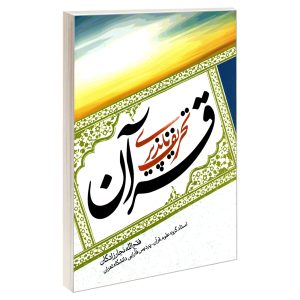
Taḥrīfnāpadhīrī-yi Qurʾān provides a comprehensive analysis of the holy book’s preservation from distortion. By examining over 300 sources, Najjārzādigān addresses controversial narrations in both Shiʿa and Sunni traditions and refutes historical polemics with academic precision.
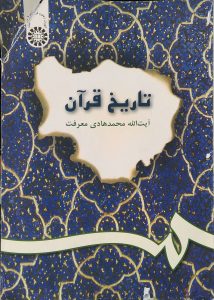
Ayatollah Maʿrifat’s History of the Qurʾān is a foundational work in Qurʾānic studies. It meticulously examines the phases of revelation, the historical efforts of the Companions in collecting the Muṣḥaf, the authenticity of recitations (Qira’at), and provides seven robust reasons for the Qurʾān’s immunity from distortion.
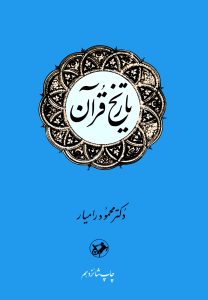
Dr. Mahmood Ramiyar’s “Tārikh-i Qurʼān” is a monumental Iranian academic work that meticulously documents the Quran’s journey from divine revelation to linguistic and canonical codification.
![Muḥammad Khazāʼilī, Aʻlām-i Qurʼān [ Proper Names in the Quran]](https://tolouii.com/wp-content/uploads/2023/05/4015f252ae46485c8930bc37ef99101c-206x300.jpg)
Aʻlām-i Qurʼān provides a scholarly investigation into 105 proper names mentioned in the Holy Quran. Dr. Khazāʼilī combines religious, philosophical, and mythological perspectives to explain the backgrounds of prophets, ancient peoples, and pre-Islamic customs.
